Affiliate Disclosure: As an Amazon Associate, we earn from qualifying purchases. Clicking our links costs you nothing extra and helps us keep reviewing products for free.
By Best Fitness Picks Daily • July 20, 2026 • Contains affiliate links
Summer fitness apparel isn't one-size-fits-all. When temperatures spike and humidity peaks, your workout clothes become functional equipment—not just a fashion choice. The problem: most buying guides push a single brand or generic advice without acknowledging the real trade-offs.
Look for moisture-wicking fabrics with four-way stretch that maintain their elasticity after multiple washes, as cheaper options often lose shape quickly during intense summer workouts in your home gym. Prioritize fit over brand name by checking return policies and trying on similar styles in-store first, since a $30 well-fitting workout shirt will outperform a $100 poorly-fitted one regardless of its advanced fabric technology.
This guide compares the actual decision points that matter: advanced synthetic fabrics versus natural blends, tight versus loose fits for different workout types, UPF protection levels, and price-to-performance ratios. We'll walk through what the research supports and where premium gear delivers real value versus where budget alternatives perform equally.
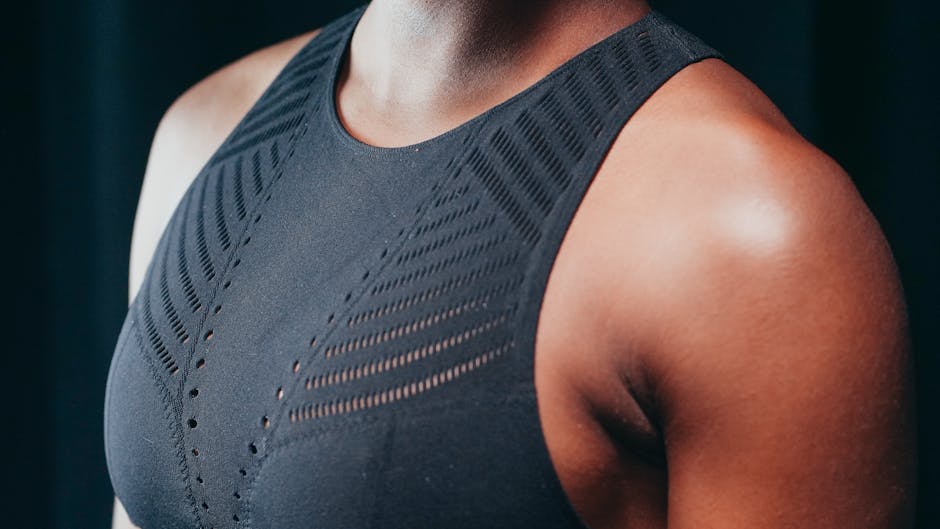
Brands like APE BORN specialize in polyester blends and nylon composites engineered specifically for moisture-wicking and heat management. These fabrics pull sweat away from skin rapidly and allow fast evaporation, keeping you dry during intense sessions. The trade-off: higher upfront cost and potential for static cling or shine on some finishes.
Best for runners, HIIT training, and outdoor summer workouts where sweat management directly impacts performance and comfort.
Best for: Serious athletes prioritizing sweat control and willing to invest in premium construction
Cotton-Blend Alternatives – Budget Tier
Traditional cotton absorbs moisture rather than wicking it, causing fabric to cling and stay damp—a significant drawback in summer heat. However, cotton-dominant blends often cost 40-60% less than advanced synthetics. They feel softer initially but compromise performance during extended or high-intensity workouts in warm conditions.
The research is clear: cotton retains sweat rather than releasing it, making it a poor choice specifically for summer performance apparel despite lower price.
Best for: Casual gym sessions in air-conditioned facilities or low-intensity activities where moisture management is less critical
Specialized outdoor summer fitness apparel incorporates UPF (Ultraviolet Protection Factor) ratings, typically 50+, into polyester or nylon construction. This addresses sun exposure during trail runs, outdoor cycling, or beach workouts. These garments add a lightweight layer of UV defense without significantly increasing heat retention. Cost sits between standard synthetics and premium lines.
The durability advantage: UPF-rated fabrics maintain sun protection through multiple washings, unlike some coatings that degrade quickly.
Best for: Outdoor runners, cyclists, and athletes training in direct sunlight for 30+ minutes per session
Fitted vs. Loose Construction – Fit Strategy
Fitted summer gear (compression-style or body-hugging cuts) maximizes moisture contact with fabric for faster evaporation and reduces chafing during movement. Loose construction prioritizes airflow and may feel cooler initially but can trap pockets of humid air and allow more fabric-to-skin friction. The choice depends on workout type: runners and cyclists benefit from fitted designs, while casual gym-goers often prefer the perceived breathability of looser cuts.
Neither is universally 'best'—the fit should match your movement patterns and personal chafe-prone areas.
Best for: Fitted for high-movement activities; loose for low-intensity or gym environments with controlled air conditioning
Mid-Range Synthetic Blends – Value Performance
Many athletic brands offer polyester-nylon blends at moderate price points ($40-80 per top) that deliver 85-90% of premium performance at 60% of flagship brand costs. These provide genuine moisture-wicking, acceptable durability (2-3 seasons), and reasonable breathability without the 'engineered for elite athletes' markup.
Trade-off: slightly less advanced ventilation design and potentially lower color retention after multiple wash cycles compared to premium construction.
Best for: Regular summer exercisers seeking good performance without flagship brand pricing
Pros & Cons
Pros
✓ Advanced synthetic fabrics (polyester/nylon blends) genuinely outperform cotton at moisture management—sweat evaporates faster, reducing chafing and discomfort in heat and humidity
✓ UPF-rated summer apparel provides measurable UV protection for outdoor workouts, with protection maintained through washing cycles unlike temporary coatings
✓ Fitted construction reduces fabric-to-skin friction during high-movement activities, directly improving comfort during runs or HIIT sessions
✓ Mid-range synthetic blends deliver legitimate performance benefits at 40-60% lower cost than premium flagship brands—the price gap doesn't always justify performance differences for recreational athletes
Cons
✗ Premium synthetic apparel from specialized brands commands 2-3x the price of budget alternatives, and performance gains plateau after a certain investment level for non-elite athletes
✗ Cotton-dominant apparel (despite lower cost) actively worsens summer workout experience by retaining moisture—a false economy if you're training in heat regularly
Our Verdict
For summer fitness apparel, the critical decision isn't which single brand to buy, but which technology-fit combination matches your actual use case. If you're running outdoors or doing intense HIIT in direct sun, advanced synthetic blends with UPF protection and fitted construction deliver measurable performance gains—this is where premium brands like APE BORN justify their pricing. For casual gym sessions in air conditioning, mid-range synthetic blends at $40-80 perform adequately without the flagship markup.
The one universal rule: avoid cotton-dominant apparel for summer workouts. The moisture-retention problem is not a preference issue—it's a physics issue. Beyond that, the choice between premium polyester blends, mid-range synthetics, and UPF-specific designs depends on intensity, duration, and outdoor exposure. An athlete running 45 minutes in summer heat benefits from investing in premium, fitted synthetic gear. A casual gym-goer benefits from value-tier synthetics. Testing multiple price tiers across 2-3 workouts often reveals that your second or third choice performs nearly as well as the most expensive option—at significant savings.
Frequently Asked Questions
Is premium fitness apparel actually worth the investment for summer workouts?
It depends on intensity and frequency. Athletes training 4+ days per week in outdoor heat gain measurable benefits from advanced moisture-wicking and UPF construction. Casual gym-goers (1-2x weekly in air conditioning) see diminishing returns on premium pricing. Mid-range synthetic blends often deliver 85-90% of performance at 40% of cost.
What's the real difference between polyester blends and nylon in summer apparel?
Both wick moisture effectively. Polyester tends to dry slightly faster and retain shape better; nylon offers marginally better stretch and durability. For most athletes, the difference is negligible—fabric blend quality and garment construction matter more than the specific synthetic chosen.
Should I buy fitted or loose summer workout clothes?
Fitted construction wicks moisture faster by maintaining consistent fabric-to-skin contact and reduces chafing during high-movement activities. Loose construction allows more airflow but can trap pockets of humid air. Choose fitted for running or cycling; loose works for casual gym sessions. Your movement pattern (not temperature alone) determines the best fit.
Does UPF protection really matter if I wear sunscreen?
UPF-rated apparel provides consistent, reapplication-free protection and removes the sunscreen-reapplication burden during workouts. For outdoor sessions exceeding 30 minutes in direct sun, UPF apparel reduces skin damage risk even with sunscreen use. For indoor or short sessions, the UPF premium may not justify the cost.
How long do premium summer fitness clothes actually last?
Premium synthetic apparel typically lasts 2-3 seasons (80-120 workouts) with proper care; mid-range synthetics last 1.5-2 seasons; budget cotton blends degrade faster due to moisture retention stressing fibers. Cost-per-wear often favors premium options despite higher upfront investment if you train regularly.
Our team evaluates home gym gear, training tools, and workout accessories so you don't have to. Every recommendation is based on real research: customer reviews, expert opinions, and value for money. Learn more about us →
This post contains affiliate links. We may earn a commission if you purchase through our links at no extra cost to you.