By Best Fitness Picks Daily • July 20, 2026 • Contains affiliate links
Affiliate Disclosure: As an Amazon Associate, we earn from qualifying purchases. Clicking our links costs you nothing extra and helps us keep reviewing products for free.
A weight bench is one of the most versatile pieces of strength training equipment you can own, but choosing between flat, adjustable, and incline models depends entirely on your training goals, available space, and budget. Each type serves different purposes: flat benches excel at foundational pressing movements, adjustable benches offer flexibility for multiple exercises across different angles, and incline benches target specific muscle groups like the upper chest and shoulders.
When comparing home gym benches to commercial models, check the maximum weight capacity and ensure it exceeds your current lifted weight by at least 50 pounds to accommodate progression, as home benches typically have lower ratings than commercial-grade equipment. Additionally, measure your available space carefully since adjustable incline benches require more vertical clearance than flat models, and verify the adjustment mechanism uses a pin-lock system rather than a lever for safer transitions between positions.
This guide breaks down the real differences between these three main bench types, including specific considerations for home gyms versus commercial facilities, weight capacities you should prioritize, and which configuration makes sense for your situation. Rather than recommending a single "best" option, we'll help you understand the trade-offs so you can make an informed choice based on your actual training needs.
Flat Weight Benches
Flat benches provide a stable, non-adjustable platform optimized for fundamental pressing movements like barbell bench press, dumbbell presses, and core exercises. These benches are the most basic option in terms of functionality but remain the workhorse of strength training. A quality flat bench should feature a reinforced steel frame, thick padding for comfort during heavy lifts, and a weight capacity ideally rated for 500+ lbs to safely accommodate serious strength work.
Flat benches take up minimal floor space and are typically the most affordable entry point into home gym equipment. However, their single-angle design limits exercise variety compared to adjustable alternatives.
Best for: Lifters who prioritize barbell pressing, have limited space or budget, or want a dedicated platform for heavy compound movements without the complexity of adjustable mechanisms.
Adjustable Weight Benches
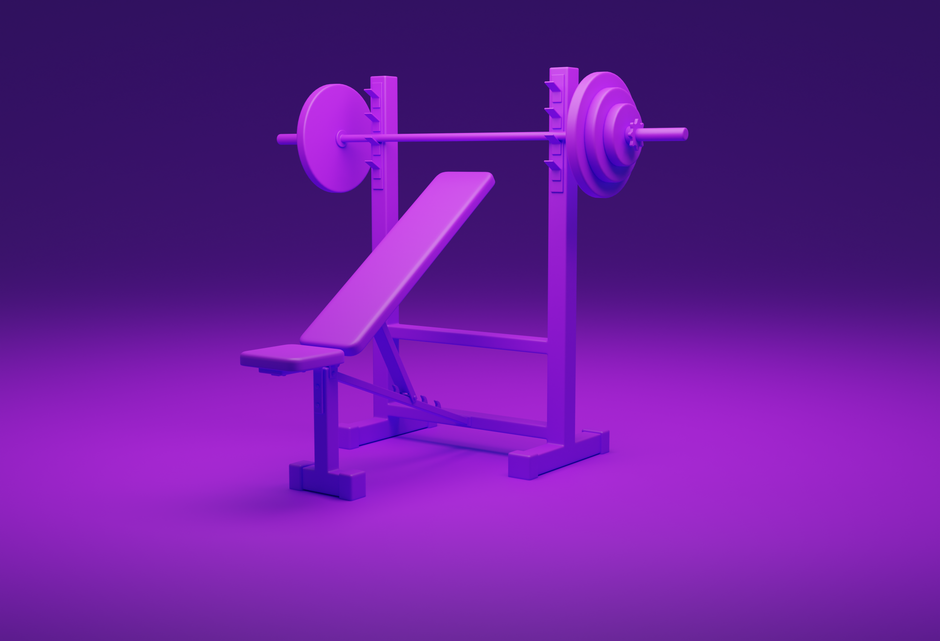
Adjustable benches allow you to change the backrest angle to multiple incline and decline positions, typically ranging from flat to 45 degrees or higher. This versatility enables you to target different portions of your chest, shoulders, and triceps from various angles in a single piece of equipment. Quality adjustable benches feature smooth adjustment mechanisms that remain stable under load and maintain padding quality across all positions.
The trade-off is complexity: more moving parts mean more potential maintenance needs and a higher price point than flat benches. Premium adjustable models from established strength equipment manufacturers typically cost $300+ on average and require sturdy construction to handle weight safely across multiple configurations.
Best for: Home gym builders who want maximum exercise variety from one piece of equipment, intermediate to advanced lifters seeking to target muscles from multiple angles, and those with moderate space and budget flexibility.
Incline Weight Benches
Incline benches feature a fixed angle, typically between 30 to 45 degrees, specifically designed for upper chest development and shoulder-focused movements. Unlike adjustable benches, you cannot change the angle, which means they serve a specialized purpose rather than general-purpose training. This fixed design actually provides advantages in stability and simplicity—fewer moving parts mean less to maintain and more predictable performance under heavy loads.
Incline benches occupy less conceptual space in your gym than adjustable models while still offering superior positioning for upper chest and anterior shoulder work compared to flat benches. They're ideal as a secondary bench once you already have a flat or adjustable option.
Best for: Lifters who specifically want to emphasize upper chest and shoulders, those with dedicated space for a secondary bench, or athletes training in commercial facilities where specialized equipment deployment makes sense.
Premium strength equipment manufacturers like FED Fitness specialize in benches built for both home and commercial gym environments. These benches combine reinforced steel frames, high weight capacities (500+ lbs), thick padding, and smooth adjustment mechanisms designed to withstand intense daily training demands. FED Fitness offers a full lineup of weight benches across flat, adjustable, and incline configurations, often paired with complementary dumbbells, barbells, and plates to create a complete home training solution.
Commercial-grade equipment comes at a higher price point (average order value $300+) but provides confidence in durability and performance under serious loading. The trade-off is cost—you're paying for equipment engineered to last through thousands of training sessions, which matters if you're investing in a long-term home gym or commercial facility.
Best for: Serious lifters committing to a high-quality home gym for the long term, commercial fitness facilities needing reliable multi-user equipment, or athletes who want premium construction and don't want to replace equipment.
Pros & Cons
Pros
✓ Flat benches are affordable, space-efficient, and ideal for heavy barbell work without mechanical complexity.
✓ Adjustable benches offer maximum exercise variety from one piece of equipment, allowing upper, middle, and lower chest targeting from different angles.
✓ Incline benches provide specialized upper chest and shoulder positioning with simple, stable fixed-angle construction.
✓ Commercial-grade equipment offers proven durability and high weight capacities (500+ lbs), essential for serious strength training or multi-user environments.
Cons
✗ Flat benches limit exercise variety—you're restricted to a single plane of motion, missing upper chest and decline variations.
✗ Adjustable benches have more moving parts prone to wear, require regular maintenance, and cost significantly more than flat options ($300+ average).
Our Verdict
The best weight bench for you depends on your specific context. For serious lifters building a home gym with a lasting investment mindset: Start with a quality adjustable bench from a reputable manufacturer. It delivers the exercise variety needed for complete chest, shoulder, and tricep development while remaining space-efficient compared to owning three separate benches. Commercial-grade brands like FED Fitness ensure the frame, padding, and adjustment mechanisms withstand years of heavy use.
For minimalists or barbell-focused athletes: A reinforced flat bench (500+ lb capacity) is genuinely all you need. Pair it with a power rack and you have everything for serious strength work. Save the budget for barbells, plates, and dumbbells where variety actually matters.
For commercial facilities or advanced home gyms: A flat bench paired with a dedicated incline bench gives you specialized equipment for each purpose. The flat handles foundational pressing; the incline targets upper chest development. This combination beats trying to make one adjustable bench do everything.
Regardless of which type you choose, prioritize weight capacity (aim for 500+ lbs minimum), reinforced steel frames, thick padding, and smooth adjustment mechanisms if adjustability is involved. The cheapest option isn't always the worst choice, but the most expensive commercial-grade equipment is rarely necessary for home gym training unless you're planning to train daily for decades.
Frequently Asked Questions
What's the difference between adjustable and flat weight benches?
Flat benches provide a single fixed angle optimized for barbell pressing and fundamental movements. Adjustable benches let you change the backrest angle to multiple positions (typically 0–45 degrees), enabling you to target different chest, shoulder, and tricep angles from one piece of equipment. Adjustable benches offer more exercise variety but cost more and have more mechanical complexity. Flat benches are simpler, cheaper, and better if barbell pressing is your priority.
What weight capacity should I look for in a bench?
Aim for a minimum of 500+ lbs weight capacity to safely handle serious strength training with barbells and heavy dumbbells. This capacity ensures the frame and welds can handle not just the weight itself, but also the impact of explosive movements and potential shifts during pressing. Even if you don't currently lift heavy, a higher capacity rating indicates better overall frame construction and longevity.
Can I use an adjustable bench for exercises other than chest presses?
Yes. Adjustable benches are versatile—you can perform dumbbell presses at multiple angles, seated shoulder work, tricep extensions, decline sit-ups, and other exercises by adjusting the backrest position. The multiple angles allow you to target different muscle fibers of the chest (upper, middle, lower), shoulders, and triceps, making adjustable benches ideal if you want one piece of equipment to support varied programming.
Are weight benches suitable for home gyms?
Absolutely. Weight benches are one of the most space-efficient and versatile pieces of home gym equipment. A single flat or adjustable bench occupies only a few square feet and enables hundreds of exercises when paired with dumbbells, a barbell, and a rack. Most home lifters can meet their training needs with just one quality bench, making it a smart foundational investment.
How do I maintain a weight bench for longevity?
Inspect the frame and welds regularly for cracks or rust, especially if the bench is stored in humid environments. Tighten bolts and adjustment mechanisms periodically, as vibration from heavy lifting can loosen fasteners over time. Wipe down the padding with a damp cloth and mild soap to prevent sweat buildup. For adjustable benches, occasionally lubricate pivot points with a light machine oil to keep the adjustment mechanism smooth. Store the bench in a dry location if possible, and avoid dropping or leaning heavy objects against the frame.
Our team evaluates home gym gear, training tools, and workout accessories so you don't have to. Every recommendation is based on real research: customer reviews, expert opinions, and value for money. Learn more about us →
This post contains affiliate links. We may earn a commission if you purchase through our links at no extra cost to you.