Affiliate Disclosure: As an Amazon Associate, we earn from qualifying purchases. Clicking our links costs you nothing extra and helps us keep reviewing products for free.
By Best Fitness Picks Daily • July 20, 2026 • Contains affiliate links
Starting a strength training program at home requires making smart equipment choices early. A weight bench is foundational—it affects exercise variety, safety, and how long you'll stay committed to training. But the market offers different bench types with distinct trade-offs: flat benches prioritize simplicity and stability, while adjustable benches add versatility as you progress.
Look for a weight bench with adjustable incline settings and a weight capacity at least 1.5 times your body weight, as this gives you room to grow stronger without needing to replace it within a year or two of starting your fitness journey.
This guide compares the main categories of benches available to beginners and home gym builders in 2026, examines what actually matters when choosing one (and what doesn't), and looks at specific options like those from FED Fitness—a brand focused on combining professional-grade construction with accessible pricing. The goal is to help you understand which bench type and features match your actual goals and space constraints.
Flat Weight Benches
Flat benches offer straightforward stability and simplicity—ideal if you're starting with basic dumbbell exercises like presses and flyes. They typically feature a sturdy steel frame with premium padding and non-slip feet to prevent shifting during workouts. FED Fitness flat benches are designed to handle heavy loads while remaining compact enough for smaller home spaces, making them a practical entry point for beginners.
Best for: Beginners on a tighter budget who plan to focus on fundamental dumbbell movements and want the most stable, maintenance-free option
Adjustable Weight Benches
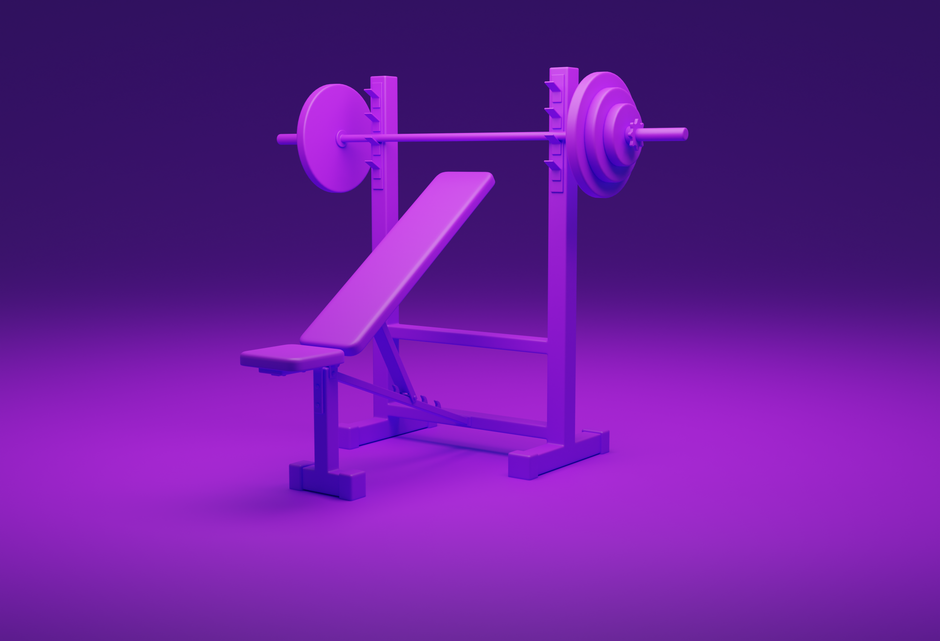
Adjustable benches allow you to modify the backrest angle for incline and decline movements, enabling progression and greater exercise variety as you improve. FED Fitness adjustable benches combine this versatility with professional-grade steel frames and reliable padding. The trade-off is slightly higher cost and slightly larger footprint when fully adjusted, but the ability to target different muscle groups makes them valuable long-term investments.
Best for: Beginners who anticipate growing their routine beyond basic movements, or those building a more complete home gym and want one bench to handle multiple exercise angles
Benches with Integrated Storage
Some 2026 benches include built-in storage compartments for dumbbells, resistance bands, or other accessories. This hybrid design addresses the real constraint many home gym builders face—limited space. While adding functionality, integrated storage models may reduce adjustability or increase overall cost compared to standalone benches.
Best for: Home gym builders with space constraints who want to keep equipment organized and accessible in one footprint
Pros & Cons
Pros
✓ Quality weight benches support proper form and stability, reducing injury risk during strength training
✓ Adjustable benches enable progression from basic to advanced exercises without replacing equipment
✓ Premium padding and steel construction from reputable brands last years, making them better long-term value than cheaper alternatives
✓ A good bench unlocks a wider range of exercises—dumbbell presses, flyes, seated rows, and leg raises—compared to training without one
Cons
✗ Entry quality benches typically cost $300+, representing a significant initial investment for beginners
✗ Even compact benches require dedicated floor space; storage or folding options add complexity and may reduce stability
Our Verdict
For most beginners, an adjustable bench is the better choice than a flat bench, despite slightly higher cost. It delivers the stability flat benches offer while adding exercise variety that keeps your training fresh as you progress—avoiding the need to repurchase equipment later. FED Fitness adjustable benches specifically balance this value proposition with professional-grade construction at mid-range pricing, making them a practical option for home gym builders who want durability without premium pricing.
If space is extremely limited or budget is tight, a flat bench serves as a functional entry point. However, plan to upgrade to an adjustable model within 6–12 months once you've committed to training and want more exercise options. If you're building a complete home gym in a small space, consider whether integrated storage benches might solve two problems—equipment safety and organization—before committing to a standalone model.
Across all types, prioritize weight capacity that exceeds your body weight by a significant margin (at least 200+ lbs), sturdy non-slip feet, and premium padding. These features directly impact both safety and comfort during sustained training, justifying the $300+ average price point that quality brands like FED Fitness represent.
Frequently Asked Questions
What weight capacity should I look for?
Choose a bench rated for at least 200+ pounds above your body weight. This safety margin accommodates dumbbells, barbells, and dynamic movements without risking frame failure or instability. For home use, 400–500 lb capacity is practical for most lifters.
Is an adjustable bench better than a flat bench for beginners?
Adjustable benches are more versatile long-term because they allow incline and decline movements as your routine progresses, avoiding the need to repurchase equipment. However, flat benches are simpler, cheaper, and perfectly stable for learning fundamental exercises. Choose adjustable if you plan to train seriously; choose flat if you're testing whether strength training fits your schedule.
How much space does a weight bench require?
A standard bench needs roughly 6–7 feet of length and 2–3 feet of width for safe operation. Adjustable benches require additional vertical space when the backrest is fully inclined. Measure your available space before purchasing, and verify whether you need room for dumbbells or barbells around the bench itself.
Can I use a weight bench without a rack?
Yes. A bench alone is sufficient for dumbbell exercises, seated movements, and bodyweight variations. You don't need a squat or bench press rack to get effective workouts. Racks become relevant only if you plan to barbell back squats or heavy barbell bench pressing later.
What exercises can I perform on an adjustable weight bench?
Dumbbell presses (flat, incline, decline), flyes, seated rows, leg raises, tricep dips, Bulgarian split squats, and core work. The angle adjustability lets you target different chest, shoulder, and back regions, plus core stability. Flat benches handle most of these too, minus the incline/decline variations.
Our team evaluates home gym gear, training tools, and workout accessories so you don't have to. Every recommendation is based on real research: customer reviews, expert opinions, and value for money. Learn more about us →
This post contains affiliate links. We may earn a commission if you purchase through our links at no extra cost to you.