By Best Fitness Picks Daily • July 20, 2026 • Contains affiliate links
Affiliate Disclosure: As an Amazon Associate, we earn from qualifying purchases. Clicking our links costs you nothing extra and helps us keep reviewing products for free.
Resistance bands are fundamental tools in physical therapy and rehabilitation, but not all bands serve the same purpose. The key differences—loop vs. figure-8 shape, color-coding systems, material composition, and resistance levels—directly affect your recovery outcomes and exercise safety.
Look for bands with a clearly marked resistance level (light, medium, heavy) and test the grip texture or handles if available, since loop bands work best for lower body exercises while figure-8 bands excel at upper body and core work depending on your primary therapy needs.
This guide compares the main resistance band types used in therapeutic settings: color-coded loop bands, figure-8 bands, heavy-duty options, latex-free variants, and fabric-based designs. We've grounded each comparison in specific features like durability ratings, resistance progression, and grip surfaces so you can match your actual recovery needs rather than guessing.
Color-Coded Loop Resistance Bands
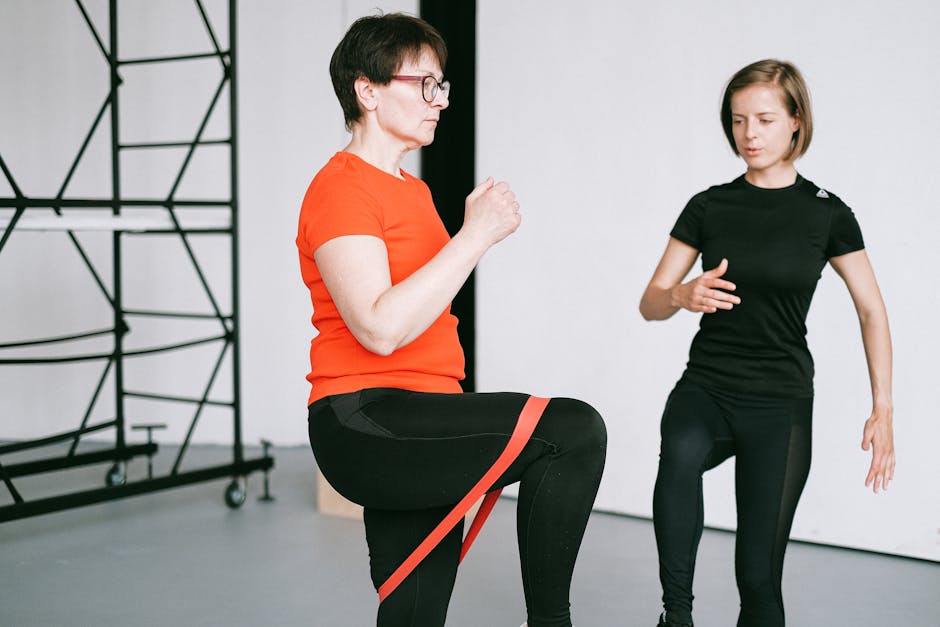
Color-coded loop bands represent the most common choice in physical therapy clinics. These bands use a standardized color system (typically yellow, red, green, blue progressing to heavier resistances) with labeled resistance amounts in pounds or kilograms printed directly on the band. Loop bands are closed circles that can be used for upper-body work (around arms/shoulders), lower-body work (around legs/ankles), or anchored to fixed points.
The primary advantage is immediate visual recognition—you and your therapist can instantly identify which resistance level you're using and track progression as you move through recovery phases. This clarity reduces confusion during sessions and helps prevent jumping to intensity levels too quickly, which is a common rehab mistake.
Best for: Patients following standard physical therapy protocols with phased progression from light to heavy resistance; anyone working with a therapist who prescribes specific color-coded bands.
Figure-8 Resistance Bands
Figure-8 bands have a distinct hourglass shape that distributes pressure more evenly than loops and creates natural anchor points for your hands or feet. This shape is specifically designed for controlled movements and provides better stability during rehabilitation exercises, reducing the likelihood of the band rolling or shifting during use.
Figure-8 bands typically come in light-to-medium resistance options (often color-coded as yellow, red, or green) and are paired with textured grip surfaces to prevent slipping during precise movements. The unique geometry makes them particularly valuable for shoulder, hip, and core work where stability and even tension distribution matter for proper form during recovery.
Best for: Recovery from shoulder or hip injuries; exercises requiring precise form and bilateral stability; patients who need gentle, even resistance without band slippage during controlled movements.
Heavy-Duty Resistance Bands
Heavy-duty therapeutic bands are engineered with layered latex or natural rubber construction and specified breaking strength ratings of 200+ pounds, making them suitable for advanced phases of recovery or patients with higher baseline strength. These come in progressive resistance sets (typically light, medium, heavy, and extra-heavy) with color-coding to match recovery stage.
The key differentiator is durability specification and material layering. Heavy-duty bands are designed to withstand hundreds of repetitions without degradation, making them appropriate for long-term use in rehabilitation facilities or home settings where bands may be used daily for weeks or months. They typically feature textured, grip-friendly surfaces to prevent slipping during sustained use.
Best for: Advanced recovery phases; patients returning to strength training after injury; facilities or individuals planning long-term, frequent use; anyone needing verified durability ratings and breaking strength specifications.
Latex-Free Fabric Resistance Bands
Latex-free bands use woven fabric or synthetic rubber construction to eliminate allergic reaction risks while maintaining consistent, predictable resistance. These bands are particularly valuable for patients with latex sensitivity, healthcare workers, or clinical settings where latex exposure must be avoided entirely.
Fabric-based bands offer non-slip characteristics inherently (textured weave provides grip) and tend to be gentler on skin during extended wear, which matters for patients with sensitive skin or post-surgical sites. The material is durable and maintains tension consistency across repetitions, though the break-in period may be slightly longer than traditional latex bands.
Best for: Patients with latex allergies or sensitivities; clinical settings requiring latex-free equipment; users with sensitive skin or post-surgical conditions; long-term home therapy programs.
Stackable Resistance Bands (Progressive Sets)
Stackable or progressive resistance band sets come with multiple bands in graduated resistances that can be used individually or layered together to increase total resistance without changing bands entirely. Each band in the set is typically color-coded and labeled with specific resistance levels (measured in pounds), allowing smooth micro-progressions as strength returns.
This design solves a common rehab problem: the gap between two resistance levels when progressing. By stacking bands, you can hit intermediate resistance targets that single bands might skip. Sets typically include 4-5 bands ranging from light to heavy, providing a complete progression path from initial recovery through advanced strengthening.
Best for: Long-term recovery requiring smooth, incremental progression; patients wanting multiple intermediate resistance options without buying separate band sets; home therapy programs covering multiple recovery phases.
Pros & Cons
Pros
✓ Color-coded systems with printed resistance levels eliminate guesswork and allow precise tracking of progress over recovery phases.
✓ Medical-grade latex or fabric construction provides durable, predictable resistance that won't snap unexpectedly during rehabilitation movements.
✓ Graduated resistance sets allow progression from light to heavy intensity without jumping too quickly, reducing re-injury risk.
✓ Figure-8 and fabric designs offer non-slip, textured surfaces that prevent slipping during controlled therapeutic movements and sweaty conditions.
✓ Layered construction in heavy-duty options provides verified breaking strength specifications (200+ pounds) and long-term durability for frequent clinical or home use.
✓ Latex-free alternatives eliminate allergic reactions and are suitable for clinical settings and sensitive-skin patients.
Cons
✗ Single-band designs create resistance gaps during progression—you may outgrow a medium band before being ready for heavy, leaving no intermediate option.
✗ Figure-8 bands are typically limited to light-to-medium resistance ranges, making them less suitable for advanced strengthening phases or patients with higher baseline strength.
✗ Fabric-based bands may require longer break-in periods and can be more expensive than traditional latex alternatives.
✗ Color-coding standardization varies between manufacturers, creating confusion if switching between brands or if your therapist uses a different color system than your home bands.
Our Verdict
The best resistance band choice depends entirely on your recovery phase and specific needs rather than one universal answer.
For standard physical therapy protocols: Color-coded loop bands remain the gold standard because they align with how therapists prescribe progression and provide clear visual resistance identification. They're affordable, versatile (work for upper and lower body), and match the standard progression most clinics use.
For shoulder or hip recovery: Figure-8 bands are superior because their hourglass shape distributes pressure evenly and provides natural hand/foot anchor points that prevent rolling or shifting—critical for precise form during vulnerable phases of injury recovery.
For long-term or frequent use: Heavy-duty bands with verified breaking strength ratings (200+ pounds) and layered construction are the better investment because they withstand hundreds of repetitions without degrading, making them cost-effective for facility use or extended home programs.
For latex sensitivity or clinical requirements: Latex-free fabric bands eliminate allergic risks while providing consistent, non-slip surfaces—worth the premium if you're allergic or working in a healthcare setting.
For smooth progression without gaps: Stackable or progressive sets solve the intermediate resistance problem by allowing you to layer bands and hit resistance targets between single-band options, valuable during the transition from light to heavy phases.
In practice, most comprehensive home therapy programs benefit from having both loop bands (for general versatility and cost-effectiveness) and either figure-8 or stackable options (for specialized movements or smoother progression). Confirm your specific resistance starting point and progression path with your physical therapist before purchasing—their prescription is more valuable than any general recommendation.
Frequently Asked Questions
What do the different colors of resistance bands mean?
Color coding is a visual system that indicates resistance level, progressing from lightest to heaviest (typically yellow → red → green → blue → black, though systems vary by manufacturer). Each color should have the specific resistance amount in pounds printed directly on the band itself. This standardization lets you and your therapist communicate precisely about intensity and track your progress as you graduate to heavier colors during recovery.
Which resistance band color should I start with for physical therapy?
This depends on your specific injury, recovery phase, and baseline strength—your physical therapist should prescribe your starting color based on your assessment. Generally, early-phase recovery starts with yellow or red (light resistance), progressing through greens and blues as strength returns. Never skip ahead to heavier bands to 'speed up' recovery; progression follows a specific timeline to avoid re-injury. Your therapist will tell you when it's safe to advance.
How do I know what resistance level I need?
Look for bands with two pieces of information: the color AND the labeled resistance amount in pounds (e.g., 'Red—10 lbs'). This dual labeling eliminates confusion because manufacturers sometimes vary color meanings slightly. Start with whatever your therapist prescribes, then progress based on their guidance, not on how 'easy' the band feels. Therapeutic progression is slower and more deliberate than strength training because your tissues are still healing.
Can I use colored resistance bands for both therapy and strength training?
Yes, but progression looks different. Therapeutic use emphasizes controlled, precise movements with gradual intensity increase over weeks or months of recovery. Strength training uses faster progression and higher intensity. A physical therapy set (typically light-to-medium ranges) may eventually become too easy for pure strength training, so you may need heavier bands once you're fully recovered. Always follow your therapist's guidance before transitioning from therapy to strength training protocols.
Why do some therapy bands have textured surfaces while others don't?
Textured, rubberized, or woven surfaces prevent slipping during movements—especially important during therapy when precise form is critical for safety and effectiveness. Slipping bands create frustration, increase injury risk from improper form, and are particularly problematic if your hands are sweaty or if you have reduced grip strength during recovery. Textured surfaces cost slightly more but are worth it for rehabilitation work.
What's the difference between loop bands and figure-8 bands?
Loop bands are closed circles suitable for most exercises (around limbs, anchored to objects). Figure-8 bands have an hourglass shape with built-in hand/foot anchor points that distribute pressure more evenly and prevent rolling. Figure-8s are better for precise, controlled movements but typically come in lighter resistance ranges. Loops are more versatile but require more conscious form control to keep them stable during use.
Should I choose latex or latex-free bands?
If you have a latex allergy or work in a clinical setting requiring latex-free equipment, choose fabric or synthetic rubber bands. Otherwise, medical-grade latex is durable, affordable, and predictable. Latex-free options work equally well for therapy but may cost more. The choice is about safety and allergies, not performance—both deliver consistent, reliable resistance when properly manufactured.
How often should I replace therapy resistance bands?
Medical-grade therapy bands should last months with normal use (daily therapy sessions). Replace them if you notice visible tears, loss of tension consistency, or degraded surfaces. Heavy-duty bands with verified 200+ pound breaking strength ratings last longer with frequent use. Fabric bands may show wear sooner than latex but remain functional. Budget replacement if you're using bands intensively for 6+ months or if you notice they're snapping or losing elasticity.
Our team evaluates home gym gear, training tools, and workout accessories so you don't have to. Every recommendation is based on real research: customer reviews, expert opinions, and value for money. Learn more about us →
This post contains affiliate links. We may earn a commission if you purchase through our links at no extra cost to you.