Photo: Polina Tankilevitch / Pexels
Found this helpful? Share it!
Our team evaluates home gym gear, training tools, and workout accessories so you don't have to. Every recommendation is based on real research: customer reviews, expert opinions, and value for money. Learn more about us →
Look for resistance bands with clearly marked resistance levels (usually color-coded) and check that they're made from natural latex or high-quality synthetic materials to avoid snapping during intense workouts. Verify the band's thickness and elasticity by reading user reviews mentioning durability, as cheaper bands often lose tension quickly or tear under heavy strength training use.
Resistance bands have become a cornerstone of effective strength training, whether you're building a home gym from scratch or supplementing your existing equipment collection. Unlike dumbbells that require significant space and investment, quality resistance bands offer variable resistance that actually increases as you extend the band, challenging your muscles throughout the entire range of motion. If you're serious about building strength at home, choosing the right resistance bands can make the difference between mediocre results and genuine muscle development.
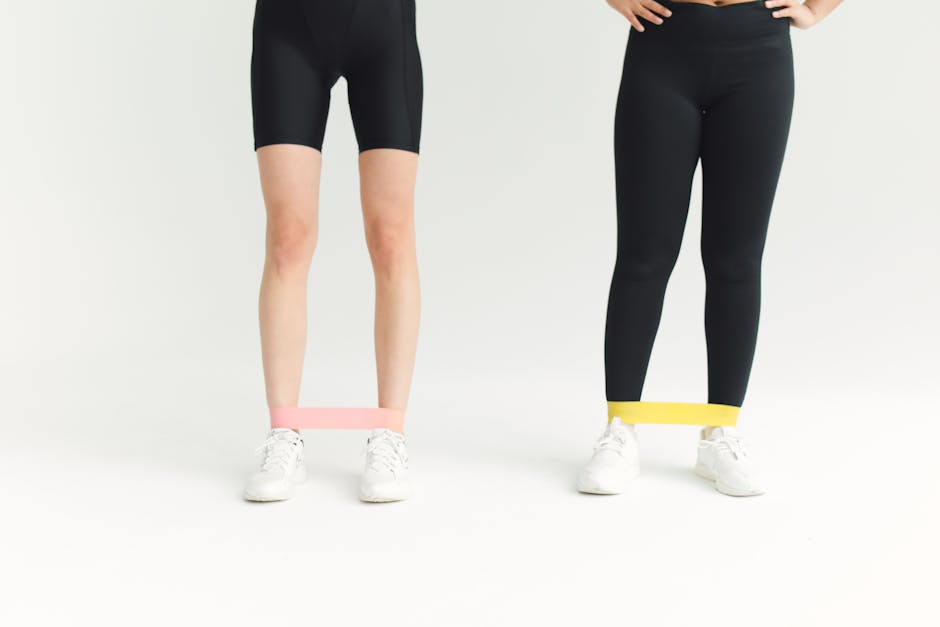
The Serious Steel Fitness Resistance Bands Set stands out as the best option for strength training specifically because it combines heavy-duty latex construction with a complete progression system. This set includes five individual loop bands ranging from 10 to 150 pounds of resistance, giving you the flexibility to train every major muscle group with appropriate challenge levels. The bands feature a premium natural latex material that resists snapping even during explosive movements, and they come with a carrying case that makes home gym organization actually feasible.
What makes this set particularly effective for strength training is the variable resistance principle built into every repetition. As you extend the band, the resistance increases exponentially—meaning your muscles face maximum challenge at the peak of the movement where you're strongest. This matches how your muscles actually perform throughout a movement, creating more natural strength development than fixed-weight dumbbells. For home gym training, this means you can achieve serious hypertrophy and strength gains in a fraction of the space traditional weights require.
Beyond the physics of resistance, this specific set scales perfectly with your progression. You can start with a single light band for warm-ups, layer multiple bands together for compound exercises like squats and deadlifts, or use heavy bands for specialized strength work. Many home gym enthusiasts find themselves upgrading their dumbbells or treadmills over time, but a quality band set adapts to your needs without replacement, making it one of the smartest long-term investments you can make.
Building genuine strength at home is completely achievable with the right resistance bands, and investing in quality
Choose a tension where you can complete 8-12 reps with proper form before muscle fatigue sets in. Most strength training requires medium to heavy resistance (typically 20-80 lbs of tension), though beginners should start with light bands and progress over time. You can stack multiple bands together to increase difficulty as you get stronger. Loop bands (closed circles) are generally better for strength training because they provide consistent tension throughout the entire range of motion and work well for compound movements like squats and deadlifts. Tube bands with handles are more versatile for isolation exercises and easier to grip, but loop bands offer superior progressive overload potential for muscle building. Yes, resistance bands can build muscle effectively when you use heavy enough tension and train to muscular failure, as the tension throughout the movement creates similar metabolic stress as dumbbells. However, they're best used either as a primary tool for home workouts or combined with weights for complete strength development, since heavy compound lifts are harder to replicate with bands alone. High-quality resistance bands typically last 1-2 years with regular use, while cheaper bands may snap within 3-6 months. Durability depends on material (natural latex lasts longer than synthetic), storage conditions (avoid direct sunlight and heat), and whether you use proper technique without overstretching or exposing them to sharp surfaces.Frequently Asked Questions
What resistance band tension should I choose for strength training?
Are loop bands or tube bands better for building muscle?
Do resistance bands build muscle as effectively as weights?
How long do resistance bands last before they break?
As an Amazon Associate I earn from qualifying purchases.
← Back to All Reviews| Retailer | Price Range | Shipping | Link |
|---|---|---|---|
| Amazon | Check Current Price | Free (Prime) | View on Amazon → |
| Walmart | Check Site | Free over $35 | Search → |
| Target | Check Site | Free over $35 | Search → |
Prices may vary. Click through to each retailer for current pricing.