By Best Fitness Picks Daily • July 21, 2026 • Contains affiliate links
Affiliate Disclosure: As an Amazon Associate, we earn from qualifying purchases. Clicking our links costs you nothing extra and helps us keep reviewing products for free.
Building muscle during summer requires consistent progressive overload—gradually increasing weight and intensity over time. The equipment you choose directly impacts your ability to push harder, lift safely, and sustain gains through intense training cycles.
When comparing FED Fitness Barbells to budget alternatives, check the actual weight accuracy and tolerance level, as cheaper barbells often deviate significantly from their stated weight, which can throw off your progressive overload calculations and long-term strength gains. Verify the knurling texture and sleeve quality too, since a slippery or wobbly barbell forces you to grip harder and can lead to wrist strain during heavy summer training sessions.
FED Fitness positions itself as a premium option with high-grade steel construction, precision-engineered sleeves, and knurled grips designed for durability and performance. However, premium pricing ($300+ average order value) raises a legitimate question: are FED Fitness barbells and weight plates worth the investment compared to budget alternatives, or can you achieve the same results with cheaper equipment?
This guide compares the key options available to summer lifters, examining actual specifications, realistic trade-offs, and which choice makes sense for different budgets and training levels.
FED Fitness Premium Barbells & Weight Plates
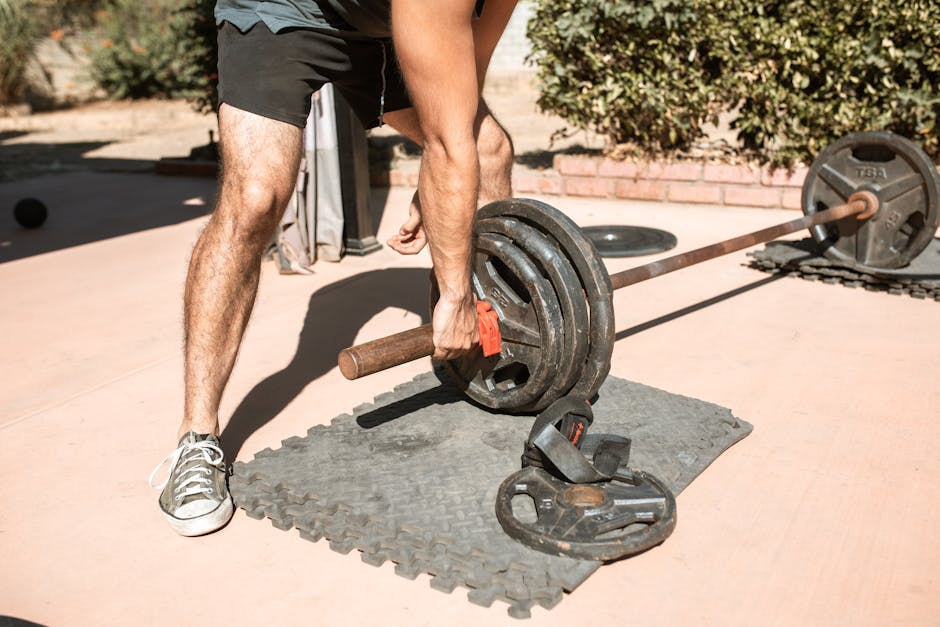
FED Fitness offers Olympic barbells with precision-engineered sleeves, calibrated weight plates that meet industry standards, and knurled grips optimized for secure handling. Their barbells accommodate loads from 95 pounds through 300+ pounds, with weight plates available in precise increments to enable seamless progressive overload. Construction uses high-grade steel throughout, intended for longevity through intense training sessions.
Typical FED Fitness orders average $300+, positioning them in the premium equipment category. The brand targets both home and commercial gym setups.
Best for: Lifters prioritizing durability and precision who plan to train seriously for years, or those setting up dedicated home gyms where equipment longevity justifies upfront investment.
Budget Olympic Barbell & Plate Sets
Budget alternatives offer functional Olympic barbells and weight plates at significantly lower price points—often 40-60% cheaper than FED Fitness equivalents. Most budget sets include basic knurling, adjustable sleeves, and plates marked with weights. They accommodate standard progressive training and work adequately for beginners and intermediate lifters.
The trade-off is typically less precise engineering, lower steel quality (susceptible to rust without maintenance), and shorter effective lifespan before knurling wears smooth or sleeves loosen. Many budget sets still meet basic safety standards but lack the precision calibration of premium brands.
Best for: Budget-conscious beginners, casual summer fitness enthusiasts, or lifters uncertain about long-term commitment who want to avoid over-investing in equipment.
Mid-Range Steel Barbells (Rogue, Cap Barbell, Titan Fitness)
Mid-range brands occupy the space between budget and premium, offering better-engineered barbells than budget sets while remaining significantly cheaper than FED Fitness. These typically feature improved knurling quality, better sleeve precision, and higher-quality steel that resists rust and wear. Calibrated weight plates in precise increments allow genuine progressive overload programming.
Mid-range options generally cost 30-50% less than premium brands while delivering 80-90% of the durability and performance benefits. They appeal to serious hobbyist lifters who want reliable equipment without premium pricing.
Best for: Intermediate lifters committed to consistent training who want genuine quality without premium costs, or anyone building a serious home gym on a realistic budget.
Pros & Cons
Pros
✓ FED Fitness uses high-grade steel and precision engineering, extending equipment lifespan significantly compared to budget alternatives
✓ Calibrated weight plates in precise increments across all tiers enable seamless progressive overload—the actual foundation of muscle growth
✓ Quality knurling (especially FED Fitness) provides secure grip during heavy lifts, directly improving safety during compound movements like squats and deadlifts
✓ Mid-range options deliver 80-90% of premium durability at 50-70% of the cost, representing solid value for serious hobbyist lifters
Cons
✗ FED Fitness premium pricing ($300+ per order) creates significant financial barrier for beginners or casual lifters who may not train consistently long-term
✗ Budget barbells require more frequent maintenance (rust prevention, knurling care) and typically need replacement within 3-5 years of serious use, offsetting initial savings
Our Verdict
The legitimate answer depends on your actual commitment level and timeline. FED Fitness barbells make sense if you're building a dedicated home gym, planning to train seriously for 5+ years, and can absorb the $300+ initial investment. The precision engineering and durability will pay for itself through reliable performance and longevity.
Mid-range alternatives (Rogue, Cap Barbell, Titan Fitness) represent the sweet spot for most intermediate lifters. They cost 50-70% less than FED Fitness while delivering genuinely reliable equipment that will support serious progressive training programs. You get calibrated plates, solid steel, and quality knurling without the premium markup.
Budget options work only if you're genuinely uncertain about long-term commitment or treating summer fitness as a temporary goal. The equipment will function, but expect rust issues, knurling degradation, and replacement needs within 3-5 years. Progressive overload is still possible, but maintenance becomes an ongoing burden.
The actual muscle-building variable is progressive overload and consistency—not brand prestige. A mid-range barbell with consistent training beats premium equipment gathering dust. Choose based on realistic budget and genuine long-term commitment, not marketing.
Frequently Asked Questions
What weight should a beginner start with?
Beginners typically start with an unloaded Olympic barbell (45 pounds) for upper body pressing and pulling movements, and 65-95 pounds for lower body compounds like squats. Add weight in 5-10 pound increments weekly as strength builds. Calibrated weight plates across all price tiers support this progression.
How often should I train to build muscle in summer?
Most effective programs train 4-5 days per week, focusing on compound movements (squats, deadlifts, presses, rows) that engage multiple muscle groups. Frequency matters less than consistency and progressive overload—training the same weight repeatedly produces no muscle growth.
What's the actual difference between FED Fitness and budget barbells?
FED Fitness uses higher-grade steel with tighter engineering tolerances, meaning sleeves spin smoother, knurling lasts longer, and the barbell maintains specifications through years of heavy use. Budget barbells function adequately initially but degrade faster under load. For casual summer training, budget works; for serious long-term training, mid-range or premium justify the cost.
Can I build muscle with just barbells and plates?
Yes. Barbells enable all essential compound movements (squats, deadlifts, bench press, overhead press, rows) that drive muscle growth. You don't need machines, dumbbells, or accessories—progressive overload with compound movements is sufficient. Quality plates in precise increments matter more than brand prestige.
How do I prevent injury during intense summer training?
Start with weights you can control for 8-12 reps with good form. Increase load only when the previous weight becomes easy. Quality knurling (especially on premium bars) prevents grip slippage during heavy lifts. Use a power rack with safety bars for squats and bench press. Warm up properly before heavy sets. Injury prevention is 80% form and programming, 20% equipment quality.
Our team evaluates home gym gear, training tools, and workout accessories so you don't have to. Every recommendation is based on real research: customer reviews, expert opinions, and value for money. Learn more about us →
This post contains affiliate links. We may earn a commission if you purchase through our links at no extra cost to you.