Affiliate Disclosure: As an Amazon Associate, we earn from qualifying purchases. Clicking our links costs you nothing extra and helps us keep reviewing products for free.
By Best Fitness Picks Daily • July 20, 2026 • Contains affiliate links
Summer training puts unique demands on athletic wear. High temperatures, humidity, and intense sweat production separate functional gym gear from clothing that actively degrades performance. But with countless options claiming "breathability" and "moisture-wicking," how do you actually evaluate what works?
Look for fabrics with moisture-wicking technology that dry within 2-3 hours and check the garment tag for synthetic blends like polyester or nylon rather than pure cotton, which retains sweat and reduces breathability during intense summer workouts. Verify the fit by checking size charts specific to each brand since athletic wear sizing varies significantly, and prioritize trying on or purchasing from retailers with easy returns to ensure the compression level supports your activity without restricting movement.
This guide cuts through marketing language by examining the specific fabric technologies, construction methods, and design features that matter for hot-weather performance. We'll compare the key factors across the athletic wear market and help you understand what you're actually paying for when you invest in premium summer training apparel.
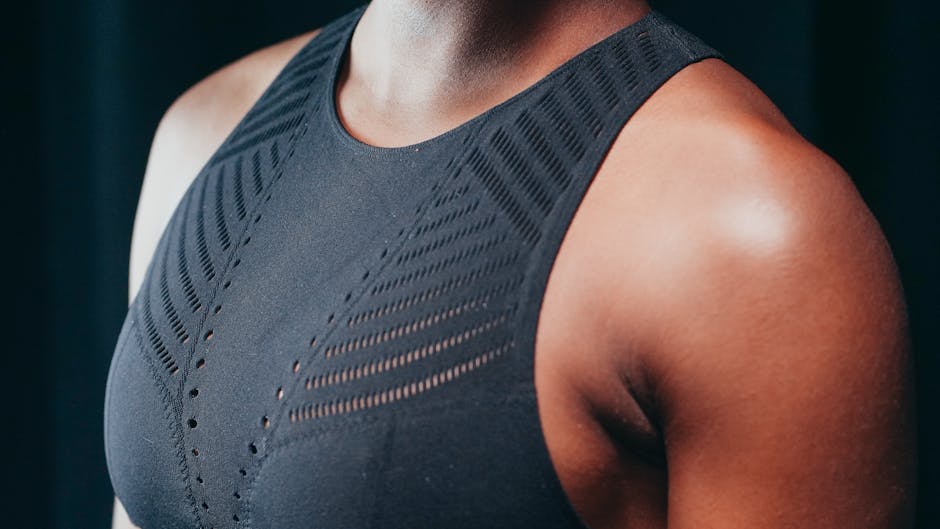
The industry standard for summer athletic wear relies on engineered synthetic fabrics—typically polyester, nylon, and spandex combinations—specifically designed to pull moisture away from skin rather than absorb it. These materials actively wick sweat through capillary action, allowing it to evaporate quickly instead of pooling against your body. Modern premium athletic wear incorporates proprietary fabric technologies with enhanced ventilation channels and breathable mesh panel construction to maximize airflow in high-heat zones like underarms, back, and sides.
Best for: Athletes prioritizing moisture management and temperature regulation for any type of summer training (running, cycling, gym workouts, outdoor training)
Cotton and Cotton-Blend Fabrics
Cotton absorbs sweat rather than wicking it, becoming heavy and clingy when wet—a significant disadvantage in summer heat. While cotton may feel softer initially and appeal to athletes familiar with traditional gym clothes, it actively works against thermal comfort during intense training. Cotton-blends that include significant cotton percentages (above 40%) inherit these moisture-retention problems and are generally considered a poor choice for summer outdoor workouts where heat management is critical.
Best for: Not recommended for summer training; better suited for cool-weather workouts or casual wear
Lightweight Construction with Mesh Ventilation Panels
Premium summer athletic wear incorporates strategically positioned mesh panels in high-perspiration areas, combined with overall lightweight construction that doesn't add insulation or trap heat. This design philosophy prioritizes maximum airflow without sacrificing durability or support. The mesh ventilation zones work in concert with moisture-wicking fabrics to create a cooling effect, while reinforced flatlock seams (seamless or flat-locked stitching) eliminate the chafing that extended training sessions can cause.
Best for: Distance runners, cyclists, and athletes doing longer outdoor sessions in heat where ventilation and chafe prevention are critical
UPF-Protected Athletic Wear
UV protection integrated into athletic wear fabrics provides sun-safety benefits for outdoor training without adding weight or reducing breathability. UPF (Ultraviolet Protection Factor) ratings indicate how much UV radiation the fabric blocks, with higher ratings providing greater protection. This feature is especially valuable for runners, cyclists, and outdoor athletes who spend extended periods in direct sunlight, protecting skin from UV damage while maintaining the breathability required for summer performance.
Best for: Outdoor runners, cyclists, trail athletes, and anyone training during peak sun hours
Premium Engineered Collections (e.g., APE BORN)
Top-tier athletic wear brands invest in proprietary fabric technologies and extensive testing under extreme conditions to optimize performance across all summer training scenarios. These collections typically combine moisture-wicking synthetics, multi-zone mesh ventilation, flatlock seaming, integrated UPF protection, and careful attention to fit and mobility. The price premium reflects research-backed fabric engineering, durability testing, and design specificity for warm-weather performance rather than general-purpose gym wear.
Best for: Athletes who train consistently in heat and want certified performance standards; those doing high-intensity outdoor training where reliable moisture management directly impacts comfort and safety
Pros & Cons
Pros
✓ Synthetic moisture-wicking fabrics pull sweat away from skin actively, preventing the heavy, clammy feeling that cotton creates during intense heat
✓ Mesh ventilation panels in strategic high-heat zones (underarms, back, sides) significantly enhance airflow without compromising garment integrity
✓ Flatlock seamless or flat-locked seam construction eliminates chafing during extended training sessions when friction and sweat create skin irritation
✓ Integrated UPF protection shields skin from UV damage during outdoor summer training without adding weight or reducing breathability
Cons
✗ Premium engineered athletic wear carries significantly higher price points than basic synthetic options, requiring multi-year durability to justify the investment
✗ The wide range of "moisture-wicking" claims across brands makes it difficult to evaluate actual performance differences without testing; marketing language often obscures fabric quality and construction standards
Our Verdict
For summer training, synthetic fabric technology is non-negotiable—cotton-based athletic wear actively works against thermal comfort and moisture management. The meaningful comparison exists between basic synthetic options and premium engineered collections.
If you're doing casual summer workouts or shorter training sessions, standard polyester-blend athletic wear with basic moisture-wicking properties delivers solid performance at reasonable cost. The fundamentals—synthetic fabric, standard fit, and basic breathability—will keep you cooler than cotton alternatives.
However, if you're training consistently in high heat, doing longer outdoor sessions, or pushing high-intensity efforts where sweat production and temperature regulation directly impact performance, premium engineered collections justify their cost. Features like multi-zone mesh ventilation panels, proprietary moisture-wicking technologies tested under extreme conditions, flatlock seam construction, and integrated UPF protection address specific performance gaps that become noticeable during extended summer training. The durability of premium fabrics also means these garments maintain performance longer than budget alternatives, improving long-term value.
Choose based on training intensity and duration: casual summer workouts benefit from mid-range synthetic athletic wear with standard breathability features. Serious outdoor athletes—runners, cyclists, high-intensity trainers—should invest in premium collections with documented fabric engineering, comprehensive ventilation design, and proven durability for warm-weather demands.
Frequently Asked Questions
What fabric percentage should I look for in summer athletic wear?
Prioritize 100% synthetic or synthetic-dominant blends (polyester, nylon, spandex combinations). Look for fabric compositions that minimize or eliminate cotton entirely. If a label shows significant cotton content (above 20-30%), the garment will absorb sweat rather than wick it, degrading performance in heat. Premium athletic wear specifies exact synthetic percentages and may reference proprietary fabric technology names.
Is it better to wear light or dark colors for summer running?
Light colors reflect solar radiation and are objectively better for hot-weather outdoor training, reducing overall heat absorption and skin temperature. Dark colors absorb heat, working against thermal comfort. For outdoor athletes training during peak sun hours, light-colored athletic wear with synthetic moisture-wicking fabrics and UPF protection provides the best performance combination.
How important is UPF protection in summer athletic wear?
UPF protection is essential for outdoor athletes spending extended periods in direct sunlight—runners, cyclists, and trail athletes benefit significantly. UPF-integrated fabrics shield skin from UV damage without adding weight or reducing breathability. Indoor or early-morning trainers can prioritize other features, but outdoor athletes should make UPF a primary selection criterion.
What should I look for in terms of fit for summer running clothes?
Summer athletic wear should provide freedom of motion without excess fabric that traps heat or creates drag. Look for form-fitting designs with strategic ventilation panels; avoid loose, billowing cuts that add unnecessary material. The fit should allow full range of motion for your specific activity—shorter shorts and sleeveless or minimal-sleeve tops are appropriate for summer training. Flatlock seams should not create pressure points or chafing areas.
Why does premium athletic wear cost more, and is it worth the investment?
Premium engineered collections cost more due to proprietary fabric technology, extensive testing under extreme conditions, multi-zone mesh ventilation design, flatlock seam construction, integrated UPF protection, and overall durability. If you train consistently in heat, the improved moisture management and comfort directly impact training consistency. Premium fabrics also maintain performance longer than budget alternatives, improving value over 2-3 years of regular use. For casual summer workouts, mid-range synthetic athletic wear offers sufficient performance at lower cost.
Our team evaluates home gym gear, training tools, and workout accessories so you don't have to. Every recommendation is based on real research: customer reviews, expert opinions, and value for money. Learn more about us →
This post contains affiliate links. We may earn a commission if you purchase through our links at no extra cost to you.