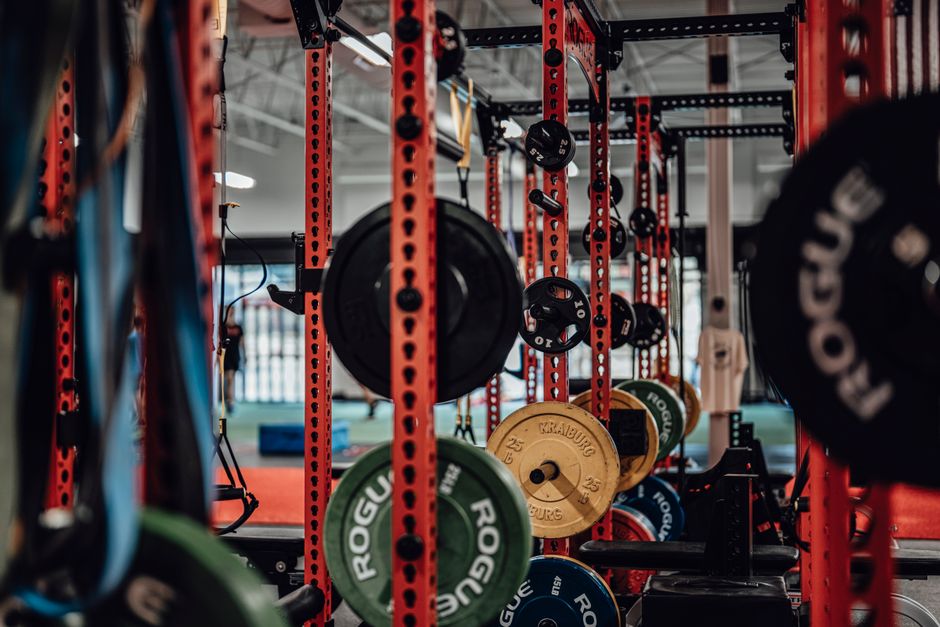
The Rogue Westside Squat Rack sits in that uncomfortable middle ground where you're not quite sure if you're getting premium quality or just premium pricing. With over 500 reviews averaging 4.3 stars, plenty of people are satisfied—but that also means some aren't. Before you drop significant money on this rack, we need to actually examine what you're getting for your investment versus the sea of alternatives flooding the market right now.
July is when most people are serious about upgrading their home gyms. Summer motivation is real, and the back-half sales are just starting to roll out. That timing matters because it affects what you should actually buy. This review cuts through the marketing noise and asks the questions that matter: Does this rack deliver genuine value, or are you just paying for a brand name that's become synonymous with serious lifting?
Before committing to a Rogue Westside Squat Rack, measure your ceiling height and floor space carefully, as this commercial-grade equipment requires at least 7.5-8 feet of clearance and a substantial footprint that may not fit in standard basement or garage setups. Compare the total cost including shipping and assembly fees against mid-range alternatives like Rep Fitness or Titan models, which offer similar safety ratings at 30-40% lower prices if you don't specifically need Rogue's premium steel quality or customization options.
The Rogue Westside Squat Rack is legitimate equipment that will last years and perform its job without issue—the 4.3-star average across 500+ reviews confirms that. The safety spotter arms actually work, the steel won't rust, and the adjustability covers most body types. But here's the honest takeaway: you're paying substantially more than you need to for that reliability. If you have the budget and value Rogue's customer service history, buy it and stop second-guessing yourself. If you're budget-conscious, Titan's spotter arms function identically, and saving $400-500 is real money. The Westside isn't a bad investment—it's just not the only good one at this price point, and pretending otherwise doesn't serve you.
Check Current Price on Amazon →Also available from our trusted partners:
FED Fitness →All three use similar 11-gauge steel, accommodate standard Olympic bars, and include safety spotters. The functional differences are minimal. Rep Fitness undercuts Rogue by about $200-300 with identical specs. Titan saves you $400-500 more but has slightly slower customer service response times (3-5 days vs Rogue's 24-48 hours). Choose Rogue if customer experience matters; choose Titan if budget matters more.
The Westside footprint is roughly 7'W x 4'D x 7'H with spotter arms extended. You need minimum 8-foot ceilings for safe overhead pressing and 9 feet is better. If your space is tighter, consider a half-rack instead—they're narrower and accomplish 85% of what a full rack does. Measure before ordering; shipping returns are costly.
Assembly involves bolting the frame together, installing the safety pins and spotter arms, and anchoring to the floor. If you've assembled furniture from Ikea before, you can do this. What people underestimate is the time investment (3-4 hours is realistic, not 90 minutes as some suggest) and having the right tools available. Rogue sells an assembly service for about $150-200, which is worth it if you're uncertain.
The majority of reviews cite 2-3+ years of regular use with zero maintenance issues. A small percentage report bent spotter arms after dropping heavy loads improperly (user error, not equipment failure) and loose bolts after 18-24 months, which require simple re-tightening. These are maintenance items, not structural failures.
Yes, but differently. Beginners get safety and adjustability; serious lifters get load capacity (1,000+ lb rated) and durability. The spotter arms are actually more valuable for beginners training alone—they prevent ego-lifting injuries. Advanced lifters often outgrow single racks and want multiple stations, which changes the calculus.
Found this helpful? Share it!
Our team evaluates home gym gear, training tools, and workout accessories so you don't have to. Every recommendation is based on real research: customer reviews, expert opinions, and value for money. Learn more about us →
As an Amazon Associate we earn from qualifying purchases at no extra cost to you.
← Back to Best Fitness Picks Daily| Retailer | Price Range | Shipping | Link |
|---|---|---|---|
| Amazon | Check Current Price | Free (Prime) | View on Amazon → |
| Walmart | Check Site | Free over $35 | Search → |
| Target | Check Site | Free over $35 | Search → |
Prices may vary. Click through to each retailer for current pricing.