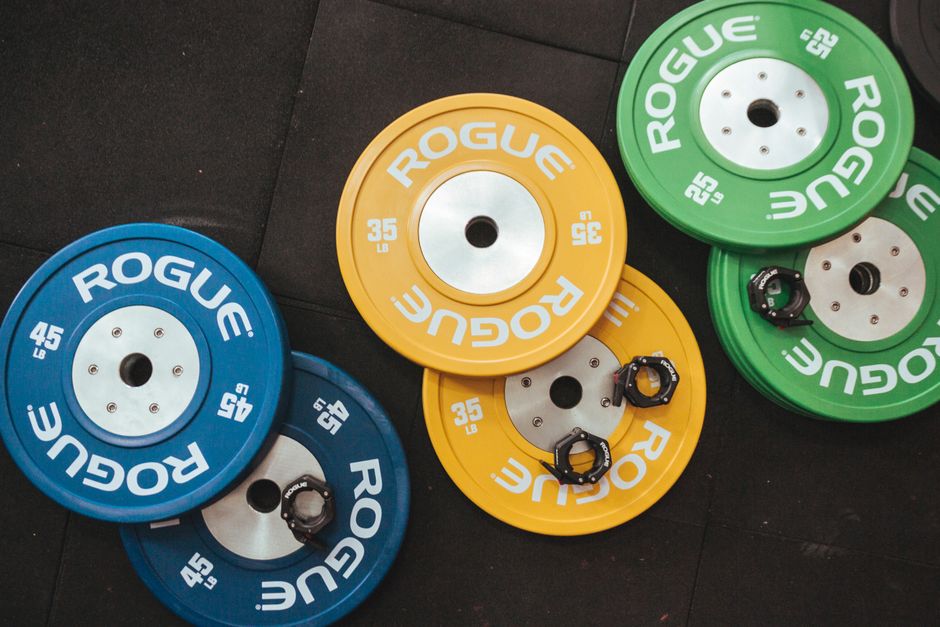
Calibrated steel plates sit in that frustrating middle ground where you're paying more than standard plates but less than competition-grade iron. Rogue's 45 lb pair boasts a 4.3-star rating across 500+ reviews, which suggests real users find value—but that doesn't automatically mean they're the right choice for your home gym budget. The real question isn't whether these plates are good; it's whether the calibration premium justifies what you'll actually spend.
July is prime season for gym equipment shopping. Summer fitness momentum peaks, deals emerge, and you're motivated to invest in your setup before momentum fades in August. But premium plates? That's exactly the category where impulse buying burns cash. Let's break down what you're actually getting and whether the Rogue name and calibration justify the price tag versus genuinely solid alternatives that cost significantly less.
The Rogue Calibrated 45 lb pair justifies its price only if you're serious about strength sport, tracking competition standards, or running a commercial gym where equipment consistency directly impacts client retention. For dedicated home lifters competing in meets? Yes, buy them—the accuracy and durability pay for themselves over five years. For everyone else grinding out home workouts without competition goals? The math doesn't work. Spend 40-50% less on standard competition plates from Rogue, Rep Fitness, or even budget brands like Yes4All, and invest the savings into a squat rack, dumbbells, or resistance bands that actually expand your training options. The 4.3-star rating confirms these plates work, but working plates aren't worth premium money if your lifting style doesn't demand it.
Check Current Price on Amazon →Also available from our trusted partners:
FED Fitness →Calibrated plates are individually weighed and sorted to ±0.5% accuracy (a 45 lb plate weighs 44.77-45.23 lbs). Standard plates typically fall within ±2-3%, meaning your 'pair' of 45s might actually be 44 lbs and 46.5 lbs. For raw lifting, this variance is negligible. For competition lifts where you're hitting exact competition standards or tracking PRs with precision, calibration matters. Home lifters rarely notice the difference unless they're obsessive about metrics.
Rogue charges a calibration premium but delivers consistent quality across all SKUs. Rep Fitness calibrated plates run 15-20% cheaper with identical accuracy specs—solid value if you want calibration without the Rogue tax. Titan's non-calibrated competition plates cost 35-45% less than Rogue calibrated and suit 95% of home gym lifters perfectly. Your choice depends on whether you value the Rogue brand reputation and consistency enough to justify the premium over functionally identical competitors.
Different tools for different jobs. Steel calibrated plates are ideal for powerlifting, deadlifts from the floor, and strength work where you want durability and precision. Bumper plates cost more, take up double the space, but absorb impact noise and prevent floor damage during Olympic lifts (cleans, snatches, jerks). For a basement home gym doing general strength training, steel plates are smarter. For an apartment or CrossFit-style training, bumpers win despite the higher price. Neither is universally 'better'—context determines the right choice.
Found this helpful? Share it!
Our team evaluates home gym gear, training tools, and workout accessories so you don't have to. Every recommendation is based on real research: customer reviews, expert opinions, and value for money. Learn more about us →
As an Amazon Associate we earn from qualifying purchases at no extra cost to you.
← Back to Best Fitness Picks Daily| Retailer | Price Range | Shipping | Link |
|---|---|---|---|
| Amazon | Check Current Price | Free (Prime) | View on Amazon → |
| Walmart | Check Site | Free over $35 | Search → |
| Target | Check Site | Free over $35 | Search → |
Prices may vary. Click through to each retailer for current pricing.