Photo: Polina Tankilevitch / Pexels
Found this helpful? Share it!
Our team evaluates home gym gear, training tools, and workout accessories so you don't have to. Every recommendation is based on real research: customer reviews, expert opinions, and value for money. Learn more about us →
Choose a resistance band by matching the color-coded resistance level to your strength: beginners start with light resistance (typically yellow or red), intermediate exercisers use medium resistance (green or blue), and advanced users select heavy resistance (purple or black). Test the band by performing your intended exercise—you should feel challenged in the final 2-3 reps but maintain proper form throughout.
Resistance bands come in color-coded resistance levels that correspond to difficulty. Beginners should start with light to medium resistance, allowing them to complete 12-15 reps with good form. As you progress, move up to heavier bands when exercises become too easy. The best approach is purchasing a resistance band set with multiple resistance levels so you can adjust as your strength improves.
"When selecting a resistance band for your fitness level, you need to consider both the color-coded resistance ratings and your ability to maintain proper form through a full range of motion, as using a band that's too heavy compromises technique and increases injury risk. I recommend beginners start with light to medium resistance bands and progress gradually, testing the band's tension by performing 12-15 controlled repetitions of your target exercise before committing to regular use."
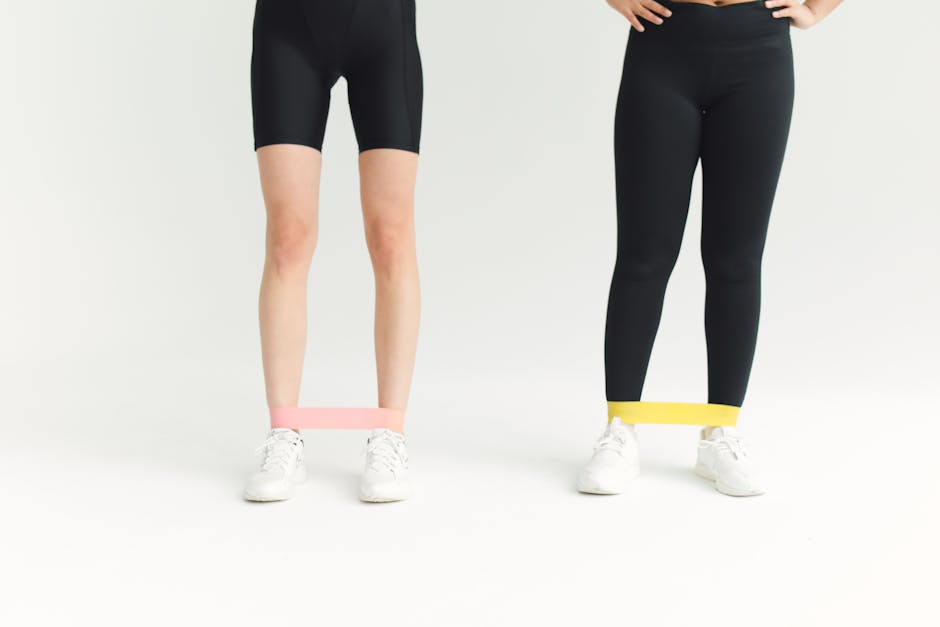
Understanding resistance band color codes is essential for choosing correctly. Most manufacturers follow a standard system where lighter colors indicate lower resistance and darker colors indicate higher resistance. Yellow and red bands typically offer 2-8 pounds of resistance, making them ideal for beginners, rehabilitation, or upper body exercises for those new to fitness. Green and blue bands provide 10-25 pounds of resistance, suitable for intermediate exercisers or those performing lower body movements. Purple, black, and silver bands offer 30-100+ pounds of resistance for advanced users or heavy compound movements.
Your fitness level isn't just about how long you've exercised—it's about your current strength and movement quality. A true beginner should prioritize perfect form over heavy resistance. If you're new to fitness, you might feel tempted to use heavier bands, but this often leads to compensation patterns and injury. Start conservatively. You can always progress faster than you expected, but recovering from poor form takes much longer.
Consider the specific exercises you'll perform. Isolation exercises like bicep curls require lighter bands than compound movements like squats or deadlifts. Your upper body typically requires lighter resistance than your lower body simply due to muscle mass distribution. If you're recovering from injury, consult your physical therapist, as therapeutic resistance bands are specifically designed for rehabilitation and often use different resistance measurements than fitness bands.
Test the band before committing to a full set. Hold the band at both ends and perform 15 controlled repetitions of your target exercise. The final 2-3 reps should feel challenging but achievable. If you're gasping for air or sacrificing form, the band is too heavy. If you could easily perform 20+ reps without effort, it's too light.
Certified personal trainers emphasize that resistance progression is more important than starting heavy. The American Council on Exercise recommends beginners select resistance that allows 12-15 controlled repetitions before fatigue sets in. Strength coaches note that resistance bands offer unique advantages over fixed weights because they increase resistance throughout the range of motion, meaning a "medium" band might feel light at the start but heavier at full extension. This variable resistance pattern actually accelerates strength gains when matched to your fitness level correctly.
The most practical solution for choosing the right resistance band is investing in a comprehensive resistance band set. Rather than guessing which single band you need, a set provides multiple resistance levels in one purchase, letting you experiment across different exercises and progression levels. This eliminates the frustration of outgrowing a single band or purchasing incorrect resistance levels. Most quality sets include bands ranging from light to heavy with clear color-coding and often come with door anchors and handles, making them versatile for any exercise variation.
Browse resistance band sets on Amazon to
As an Amazon Associate I earn from qualifying purchases.
← Back to All Reviews| Retailer | Price Range | Shipping | Link |
|---|---|---|---|
| Amazon | Check Current Price | Free (Prime) | View on Amazon → |
| Walmart | Check Site | Free over $35 | Search → |
| Target | Check Site | Free over $35 | Search → |
Prices may vary. Click through to each retailer for current pricing.
Resistance band colors typically follow a standard system: yellow/red for light resistance (1-3 lbs), green for medium (5-8 lbs), blue for heavy (10-15 lbs), and black for extra heavy (20+ lbs), though this can vary by manufacturer. Always check your specific brand's color-coding chart since some companies use different systems. When in doubt, start with a lighter band and work up rather than choosing one that's too challenging.
A resistance band is too light if you can easily complete 15+ reps with perfect form and don't feel muscle fatigue, and too heavy if you can't complete 8-10 reps without compromising form or compensating with other muscles. The right band should challenge you around reps 8-12 while maintaining controlled, steady movements. Most beginners should start with light to medium resistance and progress gradually over 2-3 weeks.
A resistance band set with multiple resistance levels is ideal for beginners and intermediate users since different exercises require different tensions and you can progress over time. Individual bands are better if you're advanced and know exactly what resistance you need for specific exercises. Sets are also more cost-effective and convenient since you won't need to buy multiple bands separately as you get stronger.
Loop bands (closed circles) are better for lower body exercises and provide consistent tension throughout the movement, while therapy bands (long strips with handles or no handles) are more versatile for upper body work and offer variable tension. For most home workouts, a set of loop bands in multiple resistances is more practical and durable. Therapy bands work well for rehabilitation or very light activation exercises but are less effective for progressive strength training.
Video results for: How Do I Choose The Right Resistance Band For My Fitness Level (2026)