Affiliate Disclosure: As an Amazon Associate, we earn from qualifying purchases. Clicking our links costs you nothing extra and helps us keep reviewing products for free.
By Best Fitness Picks Daily • July 24, 2026 • Contains affiliate links
Choosing a barbell for your home gym forces a genuine trade-off: spend significantly more on a premium option like the Rogue Ohio Power Bar, or save $50–100 with a budget alternative from Titan or Synergee. Both approaches work—but for different lifters and different timelines.
Before choosing between a Rogue Ohio Power Bar and budget alternatives, verify the actual weight capacity and sleeve diameter specifications, as cheaper barbells often have lower load ratings and incompatible sleeves that won't safely accommodate standard competition plates. Consider your current and projected lifting strength—if you're regularly lifting under 225 pounds, a quality budget barbell will perform just as well, but serious lifters planning long-term progression should invest in the Rogue's superior durability and resale value.
The Rogue Ohio Power Bar has earned 4.3 stars across 500+ reviews by delivering consistent performance through environmental stress, repeated heavy compound lifts, and years of daily use. Budget alternatives handle lighter loads and shorter commitments just fine. The real question isn't which is objectively "best"—it's which matches your actual lifting intensity, budget constraints, and plans for your home gym.
Rogue Ohio Power Bar 45lb
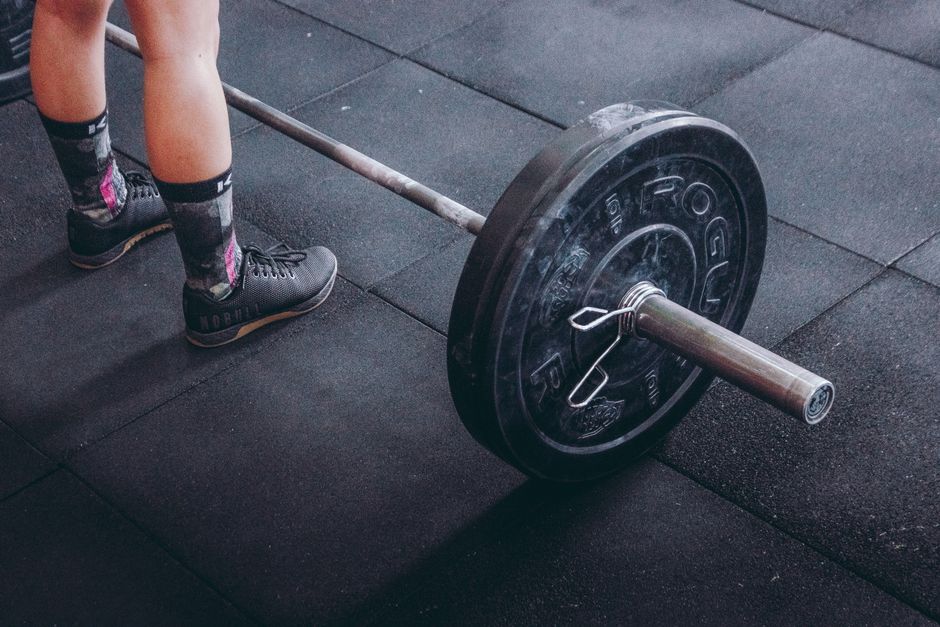
Engineered by a company that uses its own equipment, the Rogue Ohio Power Bar features bushings (not bearings) that keep the bar planted during heavy lifts rather than spinning freely. With 190,000 PSI tensile strength, aggressive knurling balanced for grip without hand destruction, and durability through humidity swings and temperature fluctuations, this bar is designed to last decades.
Sleeve rotation remains smooth even after months of daily loading. The center knurl locks the bar firmly during squats without unnecessary harshness. Rogue's warranty and customer service support home gym users specifically, not generic fitness corporations.
Best for: Serious home gym enthusiasts planning to keep their setup for years and regularly lifting above 185 lbs.
Titan Barbells (Budget Alternative)
Titan offers barbells in the $50–100 range that handle compound lifts effectively for beginners and intermediate lifters. These bars perform adequately when loads stay moderate and consistent environmental stress isn't a concern.
Budget barbells prioritize upfront savings over longevity, with thinner coatings and less aggressive quality control on knurling and sleeve finish.
Best for: Beginners testing whether barbell training sticks, lifters with loads under 185 lbs, or those with strict budget constraints.
Synergee Barbells (Budget Alternative)
Another budget-tier option in the same $50–100 price band as Titan, Synergee barbells perform functionally for light to moderate lifting. Knurling often feels sandpaper-like and can shred hands during heavy deadlifts. Durability through humidity and temperature swings is noticeably lower than premium options.
These work as temporary tools rather than long-term investments, making them suitable for trial lifters who may upgrade later.
Best for: Lifters experimenting with home gyms, short-term users, or those with minimal budget for equipment.
Pros & Cons
Pros
✓ Rogue Ohio Power Bar knurling is aggressive enough for secure grip during heavy deadlifts without the sandpaper texture of budget bars—a genuine quality-of-life difference.
✓ 190,000 PSI tensile strength means the Rogue bar won't bend under heavy compound lifts, making it a true one-time purchase rather than something you'll outgrow.
✓ Bushings keep the bar planted during heavy squats and deadlifts, allowing deliberate loading—better for home gym training than competition-style bearings that spin freely.
✓ Rogue's durability through humidity, temperature swings, and daily use is noticeably better—no coating flaking, no rust creeping from sleeves, no whip degradation after six months.
✓ Budget alternatives ($50–100) save money upfront for lifters testing whether barbell training fits their routine or keeping loads below 185 lbs consistently.
Cons
✗ Rogue Ohio Power Bar price is significantly higher than budget alternatives, plus $20–40 shipping costs add another barrier—this is a long-term commitment purchase, not an experiment tool.
✗ Budget barbells develop issues faster in humid garage gyms—coating flakes, rust appears at sleeves, whip degrades, and knurling shreds hands within months of regular use.
✗ Beginners loading 185 lbs or less won't experience meaningful performance differences between Rogue and budget options, making the premium price harder to justify early on.
✗ Shipping weight makes the total investment significant for budget-conscious lifters who might prefer spending that money on bumper plates, a rack, or other core equipment.
Our Verdict
The Rogue Ohio Power Bar wins decisively if you're running a serious home gym for years and regularly lifting above 185 lbs. The 4.3-star rating across 500+ real users reflects genuine durability through environmental stress, smooth operation after months of daily use, and engineering that matches Rogue's own training standards. Yes, it costs more—but it's a one-time purchase that lasts decades, not something you'll regret six months in.
Budget alternatives (Titan, Synergee) are legitimately the right choice if you're under 185 lbs consistently, testing whether barbell training sticks long-term, or have strict budget constraints. They handle those loads adequately. But if you're serious about compound lifting and can absorb the upfront cost plus shipping, the Rogue bar eliminates the mental friction of wondering whether your equipment will hold up.
The strategic middle ground: buy budget initially to confirm barbell training fits your routine, then upgrade to Rogue when you're committed. Trying to save $100 on a tool you'll load hundreds of times over three years usually backfires.
Frequently Asked Questions
Is the Rogue Ohio Power Bar worth the price compared to a $50–100 budget barbell?
For lifters consistently above 185 lbs and keeping their home gym long-term, yes—the durability and performance differences compound over years. For beginners or those lifting under 185 lbs, budget options handle the job fine and save upfront capital for other equipment.
What's the practical difference between bushings and bearings?
Bushings (Rogue Ohio Power Bar) keep the bar planted during heavy squats and deadlifts, allowing deliberate loading. Bearings spin freely, which benefits Olympic lifts and high-rep sets where momentum counts but isn't necessary for home gym compound lifting. Bushings are more durable long-term.
How does the Rogue Ohio Power Bar handle humid garage gyms?
Real users report no coating flaking, no rust creeping from sleeves, and no whip degradation even through summer humidity swings and temperature fluctuations. Budget barbells develop visible issues in these conditions within 6–12 months.
Can I use the Rogue Ohio Power Bar for Olympic lifting?
Yes, but it's not optimized for it. The bushings make it plant rather than spin, which is fine for Olympic movements but less ideal than a competition bar with bearings. For home gym compound lifting, bushings are actually preferable.
What's the real cost of the Rogue Ohio Power Bar including shipping?
Expect the bar itself plus $20–40 in shipping due to weight. This makes the total investment significant upfront, so budget for this when comparing against cheaper alternatives.
Our team evaluates home gym gear, training tools, and workout accessories so you don't have to. Every recommendation is based on real research: customer reviews, expert opinions, and value for money. Learn more about us →
This post contains affiliate links. We may earn a commission if you purchase through our links at no extra cost to you.