By Best Fitness Picks Daily • July 23, 2026 • Contains affiliate links
Affiliate Disclosure: As an Amazon Associate, we earn from qualifying purchases. Clicking our links costs you nothing extra and helps us keep reviewing products for free.
The commuter bike market has split into two distinct camps: electric folding bikes that prioritize convenience and assisted speed, and traditional human-powered commuter bikes that emphasize simplicity and low cost. Both solve real commuting problems, but they solve them differently—and which one makes sense depends almost entirely on your specific situation: your commute distance, storage constraints, physical fitness level, and budget.
Check that any folding mechanism uses sturdy hinges or locking pins that are rated to handle your expected weight without wobbling, and test the fold-and-unfold action multiple times before purchase to ensure it operates smoothly and locks securely in both positions. A cheap or loose folding mechanism will quickly become frustrating to use daily and may compromise your safety during workouts.
This guide cuts through the marketing to compare what folding e-bikes (including options like Burchda's electric models) actually deliver versus what traditional commuter bikes excel at. We'll cover range, cost, maintenance, portability, and the real tradeoffs you'll face when choosing between them.
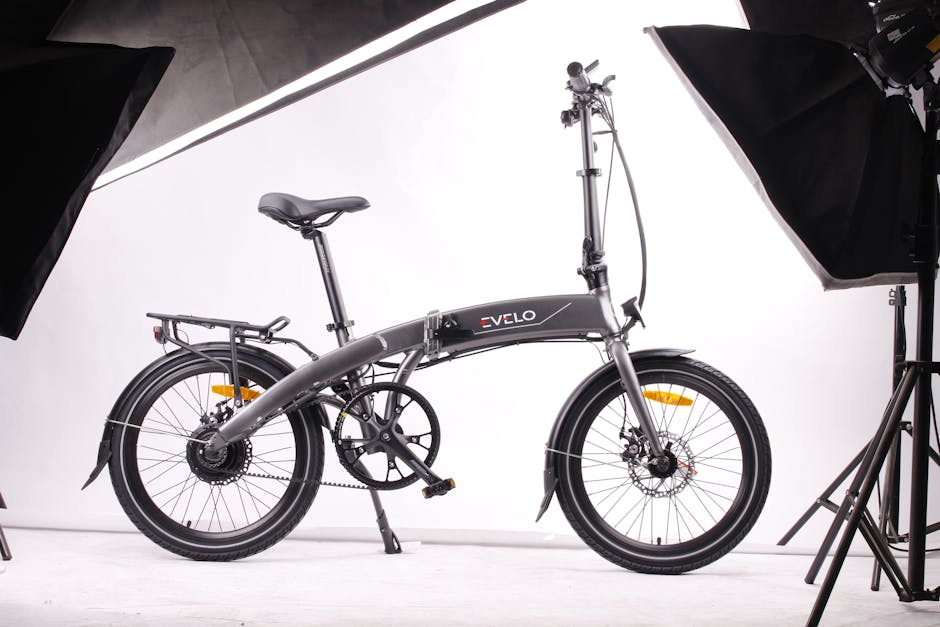
Folding E-Bikes (e.g., Burchda Folding Models)
Folding e-bikes combine a rechargeable lithium battery, electric motor, and hinged frame design to create a compact, motorized commuter. Models like Burchda's folding e-bikes deliver approximately 30–50 miles of assisted range per charge and can collapse into trunk-sized packages for multi-modal commutes. The electric motor reduces physical effort, allowing riders to arrive at work without excessive sweating.
Best for: Commuters with limited storage, longer distances (15+ miles), mixed transit routes, or those who need to arrive fresh and dry
Traditional Commuter Bikes
Traditional commuter bikes are non-electric, human-powered bicycles built for reliability and durability. These bikes feature simpler mechanics (no motor, battery, or complex electronics), lower maintenance requirements, and no dependency on charging. They remain the most affordable entry point into cycling and work well on consistent, dedicated routes.
Best for: Budget-conscious commuters, those on short distances (under 10 miles), riders with flat terrain, and people who want minimal maintenance and no charging hassles
Fat Tire E-Bikes (Alternative Electric Option)
Fat tire e-bikes represent a third option mentioned in the source material—wider tires combined with electric assist for off-road or rough terrain capability. Burchda Bikes offers both fat tire and folding models, giving riders a choice between portability (folding) and traction/stability (fat tire) with electric assistance in both cases.
Best for: Commuters in areas with poor road surfaces, sand, snow, or gravel; those prioritizing stability over portability
Pros & Cons
Pros
✓ Folding e-bikes reach destinations 30–50 miles away on one charge; traditional bikes have unlimited range but require consistent physical effort
✓ Folding e-bikes collapse for car trunk or office storage; traditional bikes remain bulky and require permanent racks or locks
✓ Traditional commuter bikes cost significantly less ($300–$800 range typical) versus folding e-bikes ($800+ average order value for Burchda models)
✓ Traditional bikes have minimal maintenance and no battery degradation; folding e-bikes require periodic battery replacement (typically 2–4 years)
✓ Folding e-bikes eliminate weather and fatigue barriers; you can arrive without sweat in rain or on hills; traditional bikes expose you fully to conditions and physical exertion
✓ Traditional bikes are mechanically simple with easily available repairs; folding e-bikes require specialized technicians for motor and battery issues
Cons
✗ Folding e-bikes are heavier than traditional bikes due to motor and battery, affecting how easily you'll carry them when folded
✗ Folding e-bikes have limited range per charge (30–50 miles); multi-day rides or very long commutes require charging infrastructure
✗ Traditional bikes demand consistent physical effort, which becomes problematic during bad weather, illness, or on hills—you may arrive tired or sweaty
✗ Traditional bikes offer no assistance, so longer commutes (15+ miles) become significantly more physically demanding
✗ Folding e-bikes have higher upfront cost ($800+) and ongoing battery replacement expenses; traditional bikes are cheaper both to buy and own long-term
Our Verdict
Choose a folding e-bike if: Your commute is longer than 12–15 miles, you have limited storage space, or you face hills/weather that would exhaust you on a traditional bike. The $800+ investment pays off when you're replacing a car trip or taxi ride, arriving at work fresh, and actually using your bike daily. Brands like Burchda are competitive in this category.
Choose a traditional commuter bike if: Your commute is under 10 miles on relatively flat terrain, you have outdoor parking or don't mind locking up a full-size bike, or you want to minimize both upfront and long-term costs. You'll spend $300–$800 once, maintain it cheaply, and never worry about a dead battery. This is the right choice for true fitness enthusiasts or those in bike-friendly cities with short routes.
The real tradeoff: Folding e-bikes solve the arrival-fresh, all-weather, storage problem at a higher cost and with battery/motor maintenance. Traditional bikes solve the budget and simplicity problem but demand physical effort and better weather/terrain. Your choice should hinge on distance, storage, and whether you're replacing a car or a gym session.
Frequently Asked Questions
How far can a folding e-bike travel on a single charge?
Most folding e-bikes, including Burchda models, deliver 30–50 miles of assisted range per charge. Actual distance depends on motor power, terrain, rider weight, and assist level. Flat terrain and lower assist settings extend range; hills and higher assist reduce it.
Are folding e-bikes heavier than traditional commuter bikes?
Yes. Folding e-bikes carry additional weight from the lithium battery, electric motor, and control systems. This makes them heavier overall, which matters when carrying a folded bike up stairs or into a car trunk. Traditional bikes are lighter and more portable once folded or carried.
What's the long-term cost difference between folding e-bikes and traditional commuter bikes?
Traditional commuter bikes cost $300–$800 upfront with minimal ongoing maintenance. Folding e-bikes cost $800+ upfront and require battery replacement every 2–4 years (typically $200–$500). Over 5 years, a traditional bike costs roughly $400–$1,000 total; a folding e-bike costs $1,500–$2,500 or more.
Which is better for serious commuting—folding e-bikes or traditional bikes?
Folding e-bikes are better for longer, all-weather, all-terrain commutes (15+ miles). Traditional bikes work well for short, flat, consistent routes under 10 miles. "Serious" depends on your distance, terrain, and weather—not the bike type.
Can folding e-bikes handle rain and winter conditions?
Most folding e-bikes are weather-resistant, but the lithium battery and electronics should be protected from prolonged water exposure. Traditional bikes handle rain fine with no special concerns. Winter viability for both depends more on tires and your ability to ride safely in snow/ice.
How long do folding e-bike batteries last?
Lithium batteries in folding e-bikes typically last 2–4 years with daily use before losing significant capacity. Battery replacement costs $200–$500 depending on the model and brand. Proper charging habits (avoid fully draining, store in moderate temperatures) extend lifespan.
Our team evaluates home gym gear, training tools, and workout accessories so you don't have to. Every recommendation is based on real research: customer reviews, expert opinions, and value for money. Learn more about us →
This post contains affiliate links. We may earn a commission if you purchase through our links at no extra cost to you.