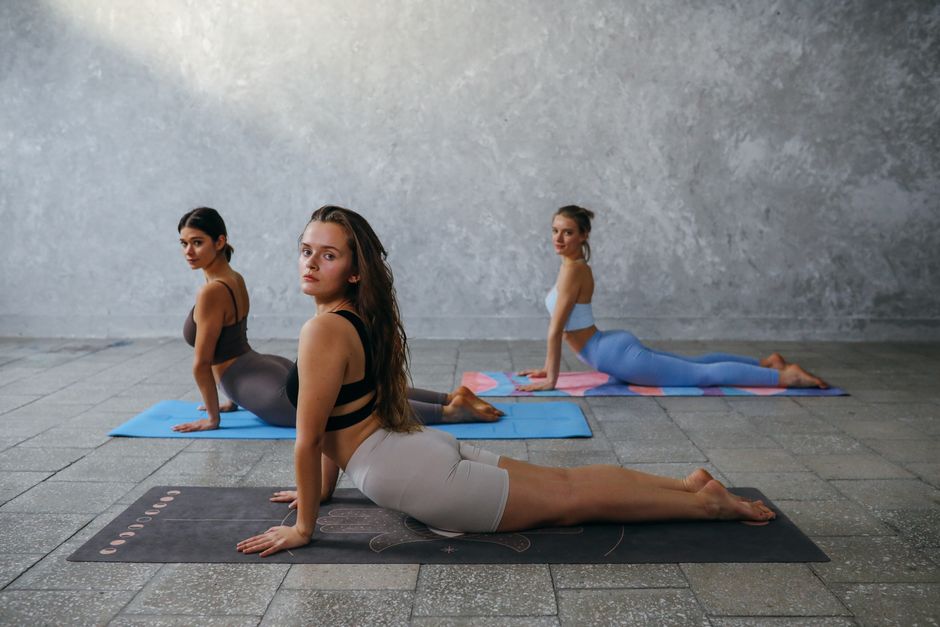
Photo: KoolShooters / Pexels
Found this helpful? Share it!
A yoga mat's thickness matters more than you might think—aim for at least 4-6mm to provide adequate cushioning for your joints during floor exercises like planks and sit-ups, especially if you're exercising on hard surfaces like tile or concrete rather than carpet.
Our team evaluates home gym gear, training tools, and workout accessories so you don't have to. Every recommendation is based on real research: customer reviews, expert opinions, and value for money. Learn more about us →
No, you don't absolutely need a yoga mat for floor exercises, but having one significantly improves comfort, safety, and performance. A yoga mat provides cushioning, grip, and joint protection that makes floor work more effective and sustainable.
While floor exercises can technically be done on any flat surface, a yoga mat is highly recommended for most people. It protects your joints from hard floors, prevents slipping during movements, and creates a defined exercise space. Without a mat, you risk discomfort, reduced stability, and potential injury—especially during planks, push-ups, and core work.
Floor exercises are a staple of home fitness routines, from bodyweight workouts to yoga and Pilates. The question isn't whether you can do them without a mat, but whether you should.
Joint Protection: Hard floors—whether tile, hardwood, or concrete—transfer impact directly to your joints. During push-ups, planks, and sit-ups, your spine, wrists, knees, and elbows absorb this shock. A yoga mat cushions these pressure points and reduces strain.
Grip and Stability: Many floor exercises rely on maintaining position during movement. A mat's textured surface prevents your hands and feet from sliding, which is critical for maintaining proper form in planks, downward dogs, and leg raises.
Hygiene and Comfort: Direct contact with floors exposes you to dust, bacteria, and allergens. A mat creates a clean barrier and is easier to clean than your skin.
Consistency: A mat defines your workout space and makes it easier to maintain consistent form across sessions, which improves results and reduces injury risk.
A mat isn't essential if you're doing occasional, low-intensity stretching on a soft carpet or rug. However, carpeted floors can actually reduce grip during exercises like planks, making a mat even more valuable. If you have pre-existing joint issues, a mat becomes essential rather than optional.
Fitness professionals and physical therapists consistently recommend yoga mats for floor exercises. The American College of Sports Medicine emphasizes that proper equipment reduces injury risk during home workouts. Yoga instructors note that a mat provides both physical and psychological benefits—it signals your brain that it's time to focus on exercise, improving workout quality.
Personal trainers working with clients doing home-based programs report that mat users show better form consistency and higher adherence to routines. This is because the mat reduces pain and discomfort, making workouts more enjoyable and sustainable.
A quality yoga mat transforms your floor exercise experience. Look for mats that offer:
Whether you're doing yoga, Pilates, HIIT, or bodyweight training, a good mat is one of the most cost-effective investments in your home gym setup. Explore yoga mat options here to find
As an Amazon Associate I earn from qualifying purchases.
← Back to All Reviews| Retailer | Price Range | Shipping | Link |
|---|---|---|---|
| Amazon | Check Current Price | Free (Prime) | View on Amazon → |
| Walmart | Check Site | Free over $35 | Search → |
| Target | Check Site | Free over $35 | Search → |
Prices may vary. Click through to each retailer for current pricing.
A yoga mat isn't strictly necessary, but it's highly recommended for comfort and safety. It provides cushioning for your joints, prevents slipping, and creates a defined workout space. Without one, you risk discomfort on hard floors and potential joint strain during exercises like planks or sit-ups.
You can use folded towels, a yoga blanket, a gymnastics mat, or even a thick carpet or rug as alternatives. However, these substitutes often lack the grip and proper cushioning that a dedicated mat provides, making them less ideal for stability-focused exercises.
A mat between 6-8mm thick is ideal for floor exercises, offering a balance between cushioning and stability. Thicker mats (10mm+) provide more comfort but can reduce balance during standing poses, while thinner mats (3-5mm) offer better stability but less joint protection.
Carpet can work for some floor exercises, but it typically lacks adequate grip and proper cushioning, especially for intense workouts. A yoga mat is superior because it prevents your hands and feet from slipping while providing targeted support for joints during repetitive movements.