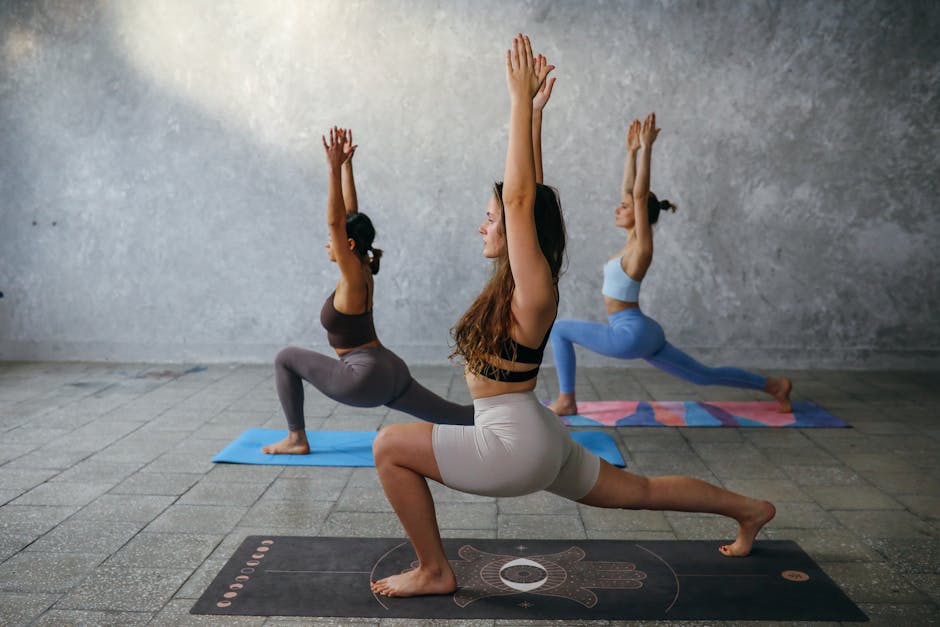
Photo: KoolShooters / Pexels
Found this helpful? Share it!
Our team evaluates home gym gear, training tools, and workout accessories so you don't have to. Every recommendation is based on real research: customer reviews, expert opinions, and value for money. Learn more about us →
When evaluating Alignment Yoga Mat With Lines (2026), the key factors to consider are build quality, long-term durability, and whether it genuinely solves the problem it claims to address.
If your feed has been flooded with side-by-side "before and after alignment" reels this month, you're not imagining it — form-correction content is having a serious moment as studios head into their busiest season of the year. Alignment yoga mats with printed lines have gone from niche teacher-training gear to the most-requested home practice upgrade of fall wellness season, and stock on the popular models is already tightening ahead of the holidays.
September through November is the biggest window of the year for people returning to yoga after a loose summer. The problem is that after a few months off, your body forgets what square hips and stacked shoulders feel like. Alignment lines act like a permanent instructor cue printed under your feet, which is exactly why searches spike as soon as the weather turns and practice moves indoors.
Short-form videos breaking down misaligned Warrior II knees, collapsed wrists, and uneven Down Dog spacing have racked up millions of views this year. The takeaway most viewers land on is the same: you can't fix what you can't see. A gridded mat gives you objective reference points instead of guessing, and that shift in mindset is driving the current buying wave.
Wrist strain, SI joint pain, and knee tracking issues are the three most common complaints from home practitioners who learned from video alone. With more people practicing without a teacher physically adjusting them, alignment markers have become the affordable insurance policy — a $40–$80 mat versus months of physical therapy is an easy call, and shoppers are making it now while gift-season pricing is live.
For most people, the best value right now is a 5mm alignment mat with a center line, angled position guides, and a non-slip textured or rubber base — the configuration that covers vinyasa, hatha, and strength-based flows without forcing you into a specialist mat. Look for closed-cell surfaces if you sweat, and confirm the markings are printed into the material rather than laid on top.
Compare current top-rated alignment yoga mats with lines on Amazon here →
Check the recent reviews specifically for comments about marking durability and grip after 30+ sessions — that's where the real quality gap shows up, and it's the fastest way to filter the good mats from the ones riding the trend.
If you learned yoga from YouTube or an app and have never had a teacher physically adjust you, this is the single highest-impact purchase you can make. The lines replace the hands-on corrections you've never received.
Coming back after a break, an injury, or a busy season? Alignment markers shorten the relearning curve and give you a measurable sense of progress — you can literally see your stance widening and squaring up week over week.
If you're studying anatomy, prepping for a 200-hour certification, or cross-training for running or lifting, gridded mats let you drill symmetry and repeat exact stances session after session. Same benefit applies to Pilates and mobility work.
They work as a feedback tool, not a magic fix. The lines give you an objective reference — hands shoulder-width, feet parallel, hips centered — so you stop drifting into asymmetry without noticing. The benefit is real for beginners and intermediates practicing without a teacher, and smaller for advanced practitioners who already have strong proprioception.
This is the most common concern right now, and the answer is no if you use them correctly. Treat them as training wheels: reference them for the first few months, then practice occasionally on a plain mat to test whether the alignment holds. Most people find their body has internalized the spacing within eight to twelve weeks.
Yes, but be selective. Standard PVC alignment mats get dangerously slick when wet. For hot classes, choose a natural rubber base with a polyurethane or microfiber-blend top, or plan to pair the mat with an alignment-compatible towel. Check that the markings are visible through moisture — some lighter prints wash out visually when the surface darkens with sweat.
Fall is the highest-demand window of the year for yoga gear, and the best-reviewed alignment mats routinely go out of stock through November and December as gift buying ramps up. If you've been meaning to upgrade, this is the moment to lock it in — before the color and thickness you want disappears until spring.
Browse today's best-rated alignment yoga mats with lines on Amazon →
As an Amazon Associate I earn from qualifying purchases.
← Back to All ReviewsThe alignment lines on a yoga mat serve as visual guides to help you maintain proper body positioning and symmetry during poses. They're especially useful for ensuring your feet, hands, and shoulders are centered and parallel, which improves form and prevents injury during practice.
Yes, alignment mats can significantly improve your practice by providing immediate visual feedback on your positioning without needing constant mirror checks. They're particularly beneficial for beginners learning proper alignment and for experienced yogis refining their form in standing poses and inversions.
Alignment mats work best for styles that emphasize precise positioning like Hatha, Iyengar, and Vinyasa flow. They're less critical for more intuitive or flowing styles like Yin or restorative yoga, though they can still be helpful for any practitioner wanting to improve form.
Most alignment yoga mats are 4-6mm thick, which provides adequate cushioning while maintaining stability for balance poses. Choose 4mm if you prioritize a lighter, more portable mat, or 6mm if you need extra joint protection and cushioning for longer sessions.
| Retailer | Price Range | Shipping | Link |
|---|---|---|---|
| Amazon | Check Current Price | Free (Prime) | View on Amazon → |
| Walmart | Check Site | Free over $35 | Search → |
| Target | Check Site | Free over $35 | Search → |
Prices may vary. Click through to each retailer for current pricing.